Most people ordering Japanese food in the United States are choosing between words rather than dishes, and two of those words do not mean what the menus suggest. This is a short, honest explanation of the difference, followed by the part that is actually useful: which one to order depending on who you are with and how much time you have. If you only take one thing from it, take this. The words describe how the food is cooked, not how good it is.
What hibachi actually means
In Japan, a hibachi is a small open-topped charcoal brazier. It is a heating device, historically as much for warmth as for cooking, and food cooked over one is grilled over charcoal in small quantities. What American restaurants call hibachi is almost never that. It is food cooked fast on a large flat steel griddle, portioned with a protein, a starch and a vegetable. The name stuck and the technique did not follow it across the ocean. This is worth knowing for a practical reason: because the cooking surface is a flat top rather than a grill, what else the restaurant cooks on that surface matters enormously. One griddle serves the whole menu.
What teppanyaki actually means
Teppanyaki is the accurate word for the flat-top cooking that Americans call hibachi. Teppan means iron plate, yaki means grilled. It is the style with the chef cooking in front of you at a communal table, and it emerged in Japan in the twentieth century, partly for a Western audience. So the honest answer to hibachi versus teppanyaki is that in almost every American restaurant, including ours, the food described as hibachi is technically teppanyaki. The distinction people are usually reaching for is not between two cooking methods. It is between a table where a chef performs and a counter where the same food is cooked in the kitchen.
What sushi is, and what it is not
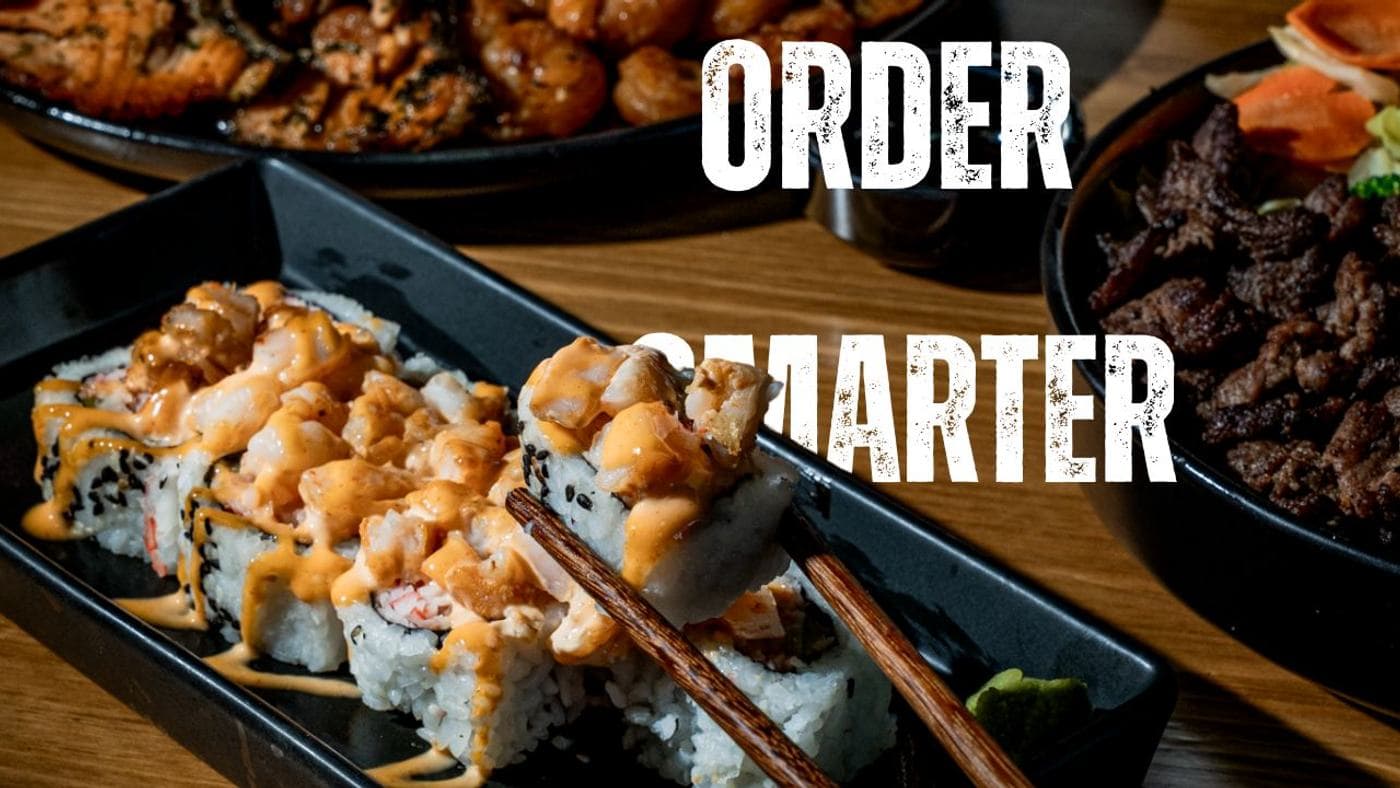
Sushi is not raw fish. Sushi refers to the seasoned rice. The topping or filling can be raw fish, cooked fish, vegetables, egg or nothing much at all. That matters because a large number of people who say they do not eat sushi mean they do not eat raw fish, and those are different statements. A California Roll, a Shrimp Tempura Roll and a Hibachi Chicken Roll contain no raw fish at all.
Which one to order, practically
You have twenty minutes and you are eating alone. A hibachi plate. One container, protein, starch and vegetable, done. $9.85 for chicken or tofu, $10.85 for beef or shrimp, $11.85 for salmon.
You want the show. Teppanyaki in the sit-down sense, at a restaurant with a chef's table. Worth knowing that our kitchen cooks the same way but serves counter-style rather than tableside.
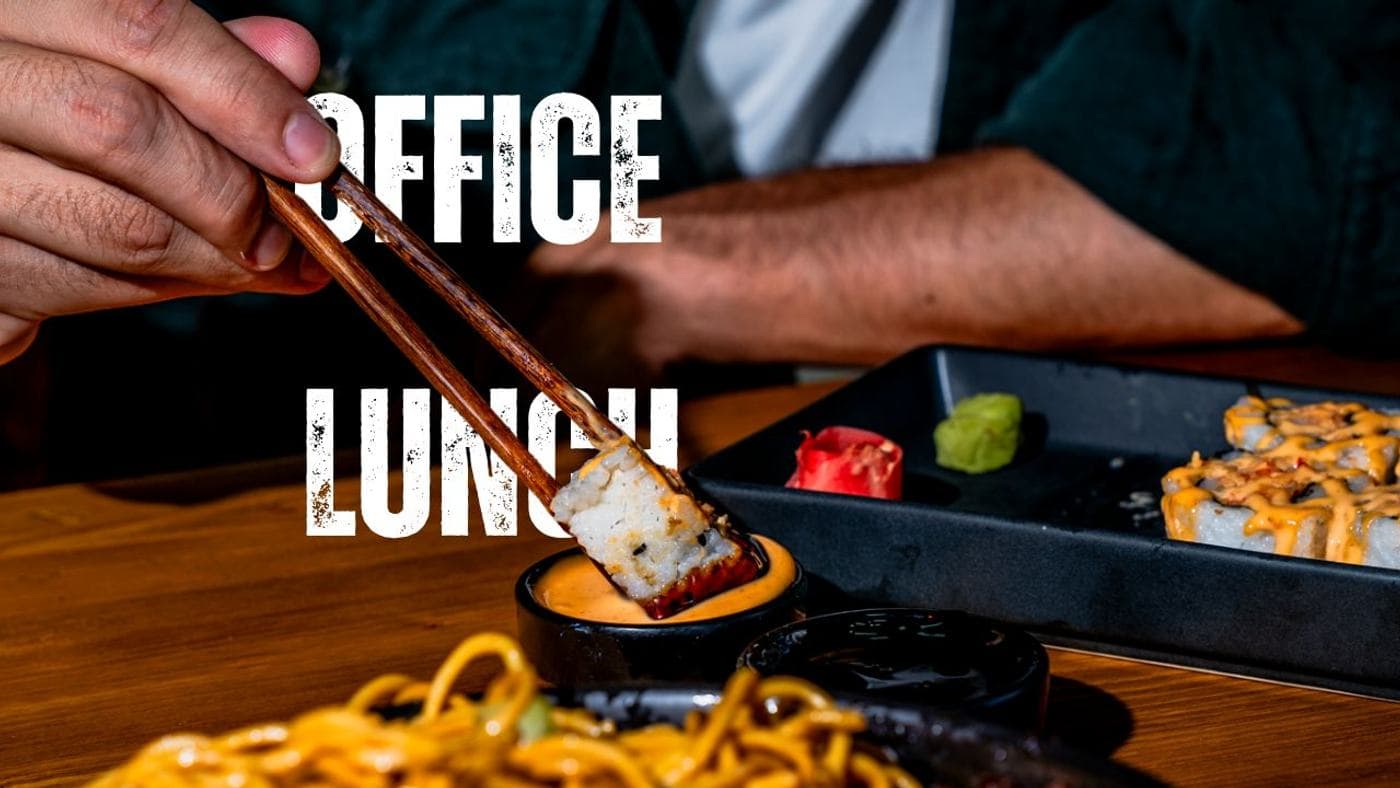
You are eating in two hours, not now. Sushi. It is the only thing on a Japanese menu genuinely designed to be eaten cool, which makes it the most delay-proof food in this whole category.
The table cannot agree. A bento box. At $12.85 to $15.85 it contains hibachi, vegetables, rice or noodles, a four-piece California Roll, two dumplings and two spring rolls, which covers most disagreements in one container.
Someone at the table says they do not like Japanese food. They usually mean raw fish. Order them a hibachi plate and a Hibachi Chicken Roll at $7.85 and see what happens.
The question underneath all of this
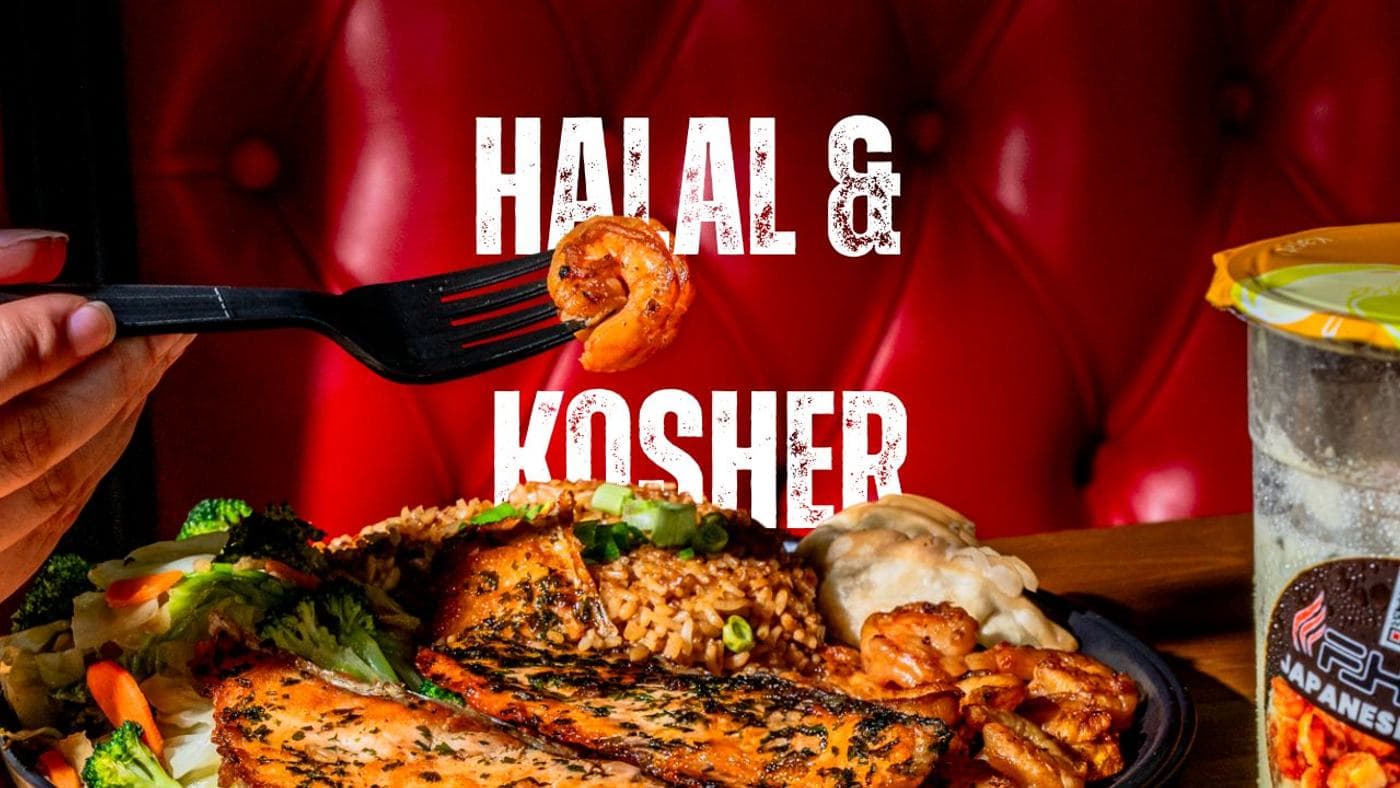
Because hibachi and teppanyaki both run on one shared flat top, the more useful question than which word a restaurant uses is what else has been cooked on that surface. A restaurant with pork on the menu has cooked pork on the same steel as your dinner. Our kitchen serves a fully halal menu with no pork served, stored or cooked anywhere in the building, and our sauces are made in house rather than bought in, which is where mirin and cooking sake usually enter a Japanese kitchen unnoticed.
Ordering in Laurel
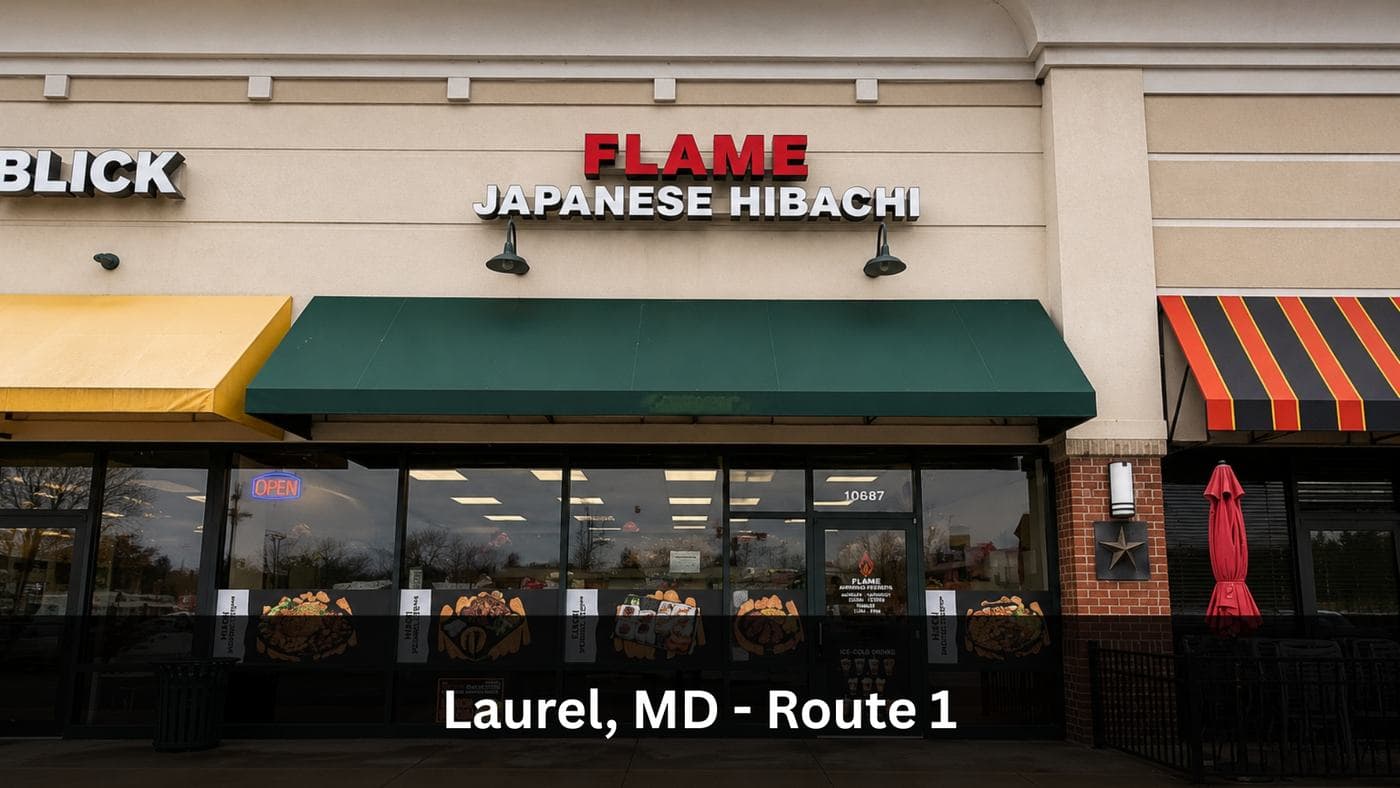
We are at 13600 Baltimore Ave, Suite 310, on the Route 1 corridor near Towne Centre at Laurel.
Visit us
Hibachi, sushi and bento in one halal kitchen on Route 1. Flame Japanese Hibachi Laurel, 13600 Baltimore Ave, Suite 310, Laurel, MD 20707. 240-360-5080.