Every November 1st, a lot of Muslim parents sit at the kitchen table with a pillowcase of candy and the same question. Which of these can the kids actually eat? There is no single list that settles it, because recipes change and the same brand can differ by country. What does not change is the short list of ingredients that cause the problem. Learn those, and sorting the bag takes ten minutes instead of an evening.
The four ingredients that decide most of the bag
Gelatin. This is the big one. Gelatin is made from animal collagen, and in American candy it most often comes from pork or from cattle that were not slaughtered to halal standards. It shows up in gummies, fruit chews, marshmallows, candy corn and some chewy caramels. The label almost never says which animal it came from, so unless the gelatin is certified halal or the package says it is plant-based, treat it as a no.
Carmine. Also listed as cochineal, natural red 4 or E120. It is a red dye made from crushed insects, and it turns up in red and pink candies. Scholars disagree on it: some schools of thought permit it and others do not. Follow the opinion your family already follows, but know where to look.
Confectioner's glaze. Also called shellac or E904. It is the shiny coating on jelly beans and some chocolate-covered candies, made from a resin secreted by the lac insect. Most scholars treat it as permissible because it is a secretion rather than the insect itself, but it is worth knowing what it is.
Alcohol. Usually hiding in vanilla extract or flavorings, and openly in liqueur-filled chocolates. Plain chocolate bars are often fine, but the filled and seasonal ones deserve a second look.
How to read a label in ten seconds
| If the label says | What it usually means |
|---|---|
| Gelatin (no source given) | Assume it is not halal |
| Halal-certified gelatin, or a halal mark on the pack | Fine |
| Pectin, agar, starch or carrageenan as the gelling agent | Plant-based, usually fine |
| Carmine, cochineal, E120 | Depends on your school of thought |
| Confectioner's glaze, shellac, E904 | Most scholars permit it |
| Vanilla extract, liqueur, wine, rum | Check further or skip |
A recognized halal certification mark settles the question fastest. Without one, the ingredient list is your best tool.
A kosher symbol is not the same as halal
Plenty of candy carries a kosher mark, and it is tempting to treat that as a shortcut. It is not one. Kosher rules allow alcohol, and kosher gelatin can come from fish or from beef that was not slaughtered to halal standards. A kosher mark tells you there is no pork, which is useful, but it does not answer the rest of the question.
Sorting the bag without a fight
Do it once, together. Three piles: yes, no, and ask. Kids accept a no much more easily when they watched you read the label than when candy quietly disappears.
Trade, do not throw. Gelatin candy is easy currency. Swap it with neighbors or classmates for chocolate, or let the kids trade it back to you for something they want more.
Buy the replacement in advance. Halal-certified gummies and plant-based fruit chews are sold online and at many international grocers. Having a bag ready makes the no pile painless.
Dinner first, then candy
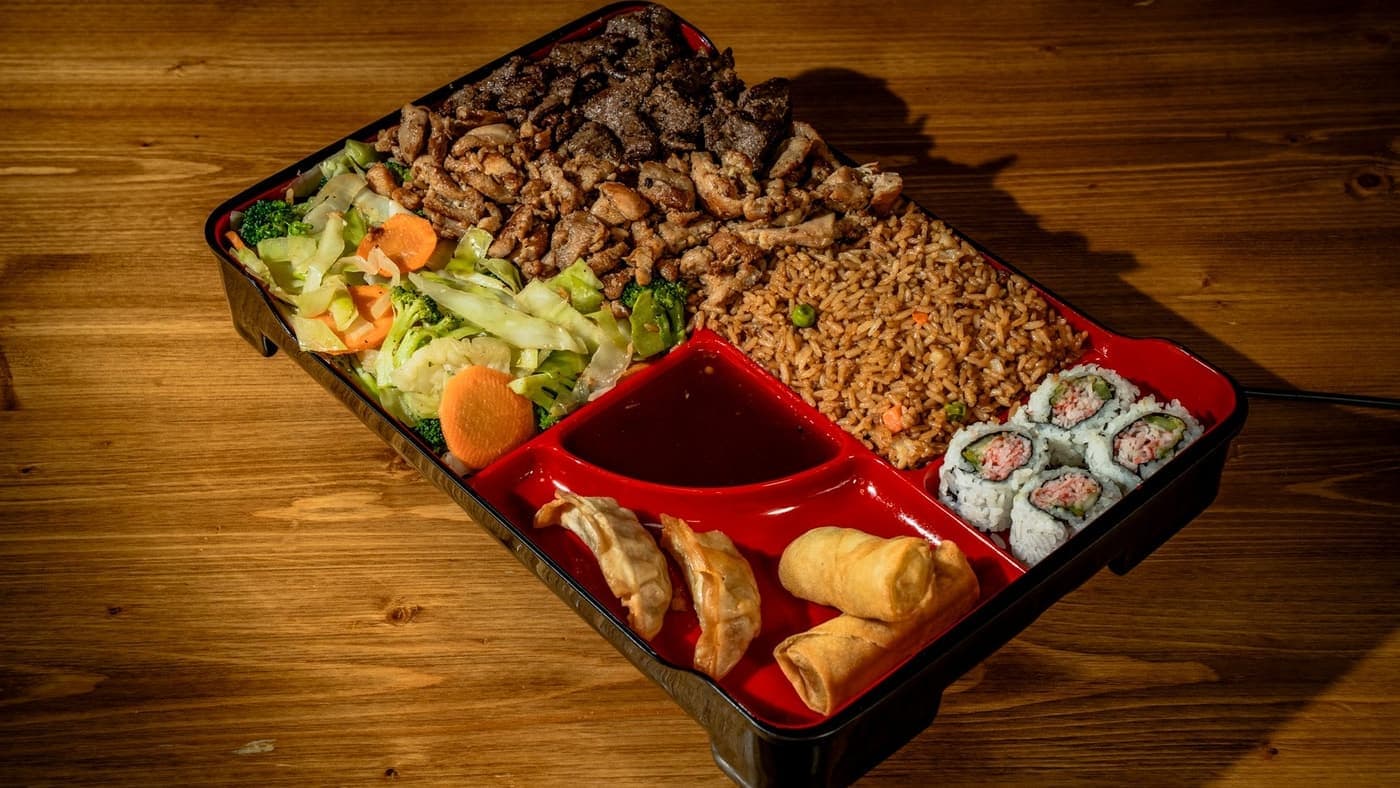
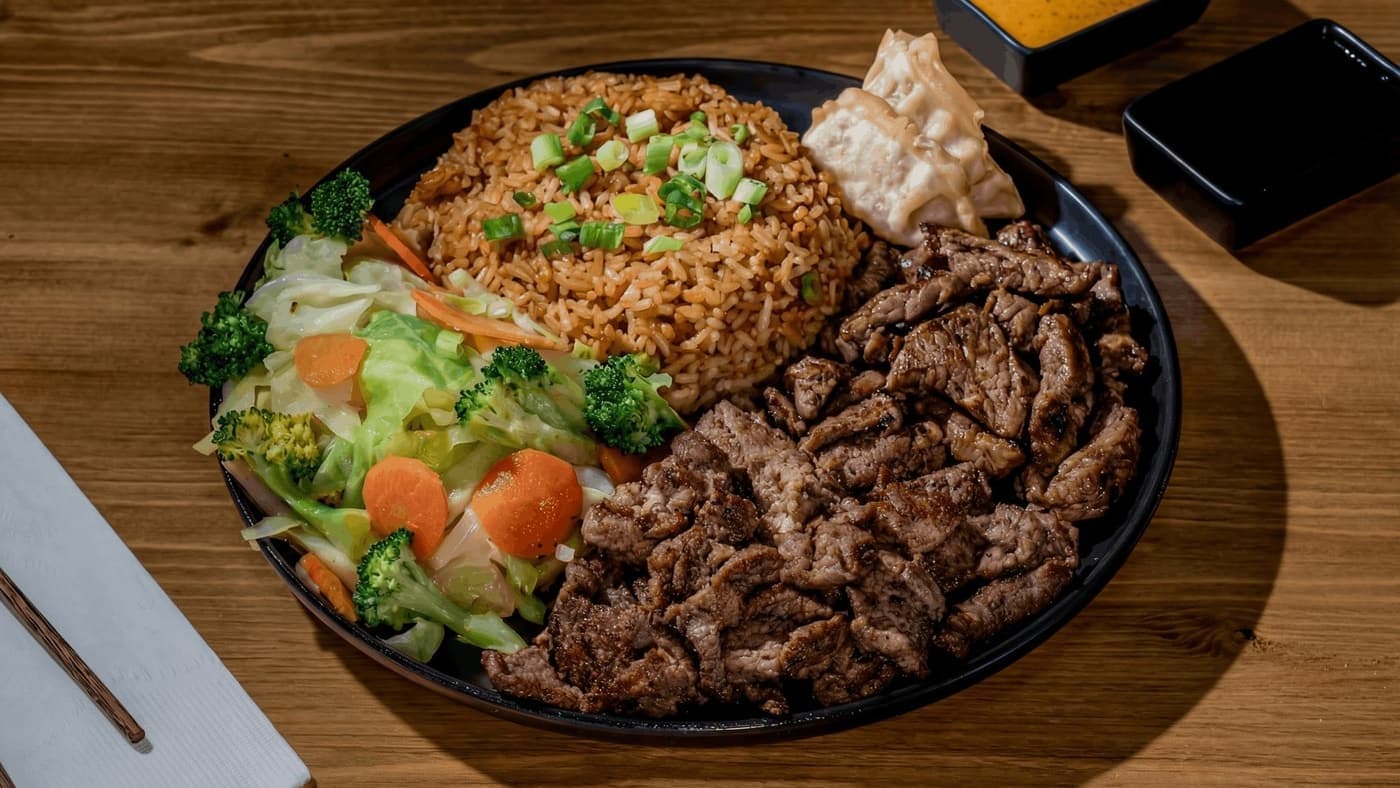
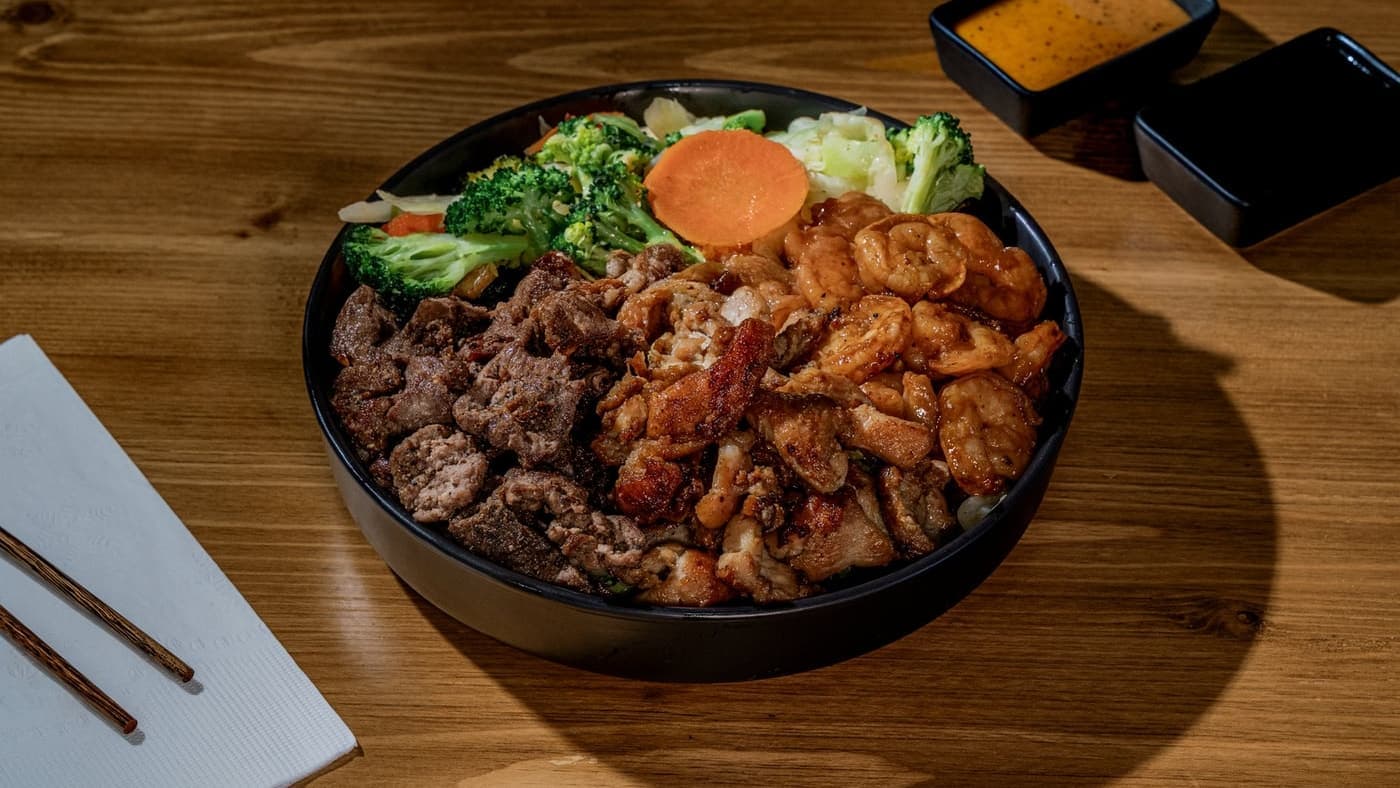
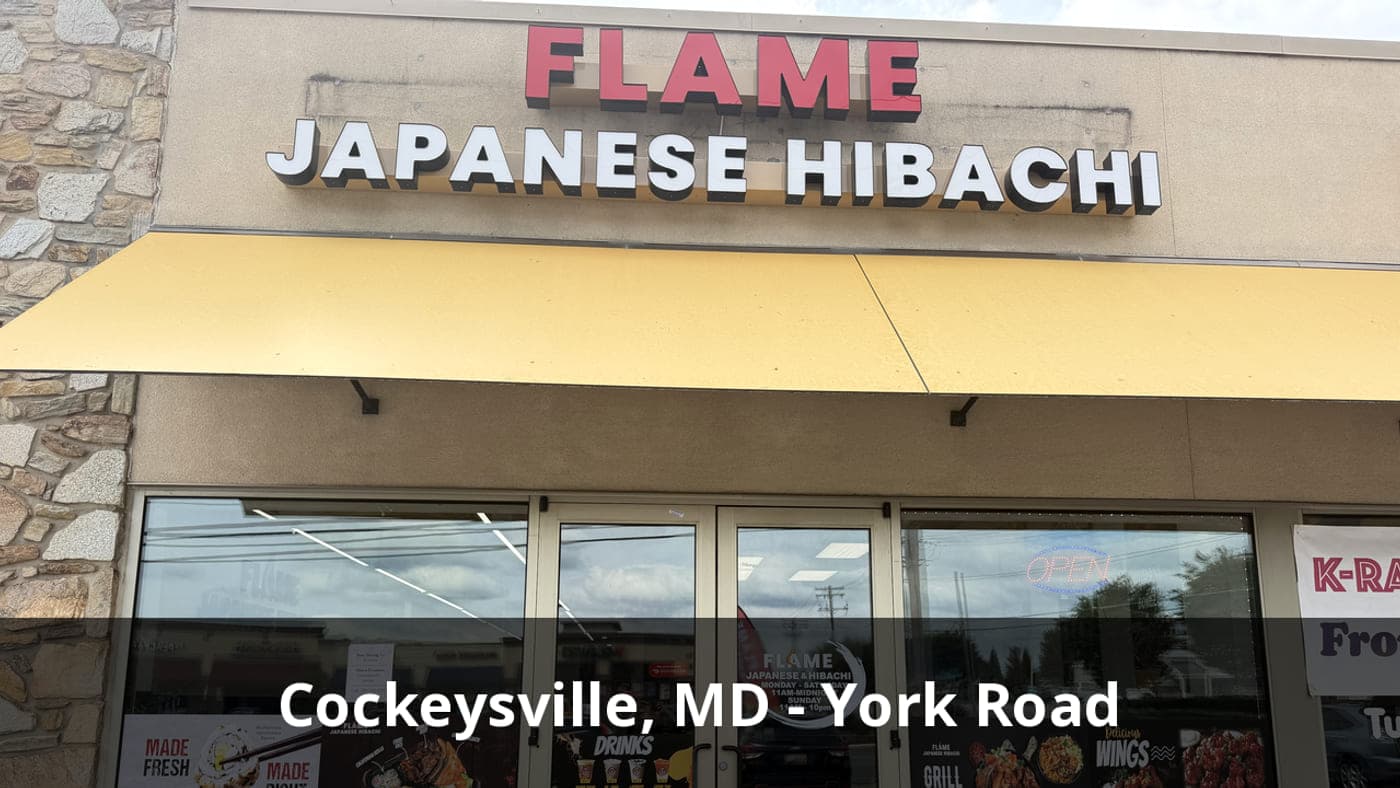
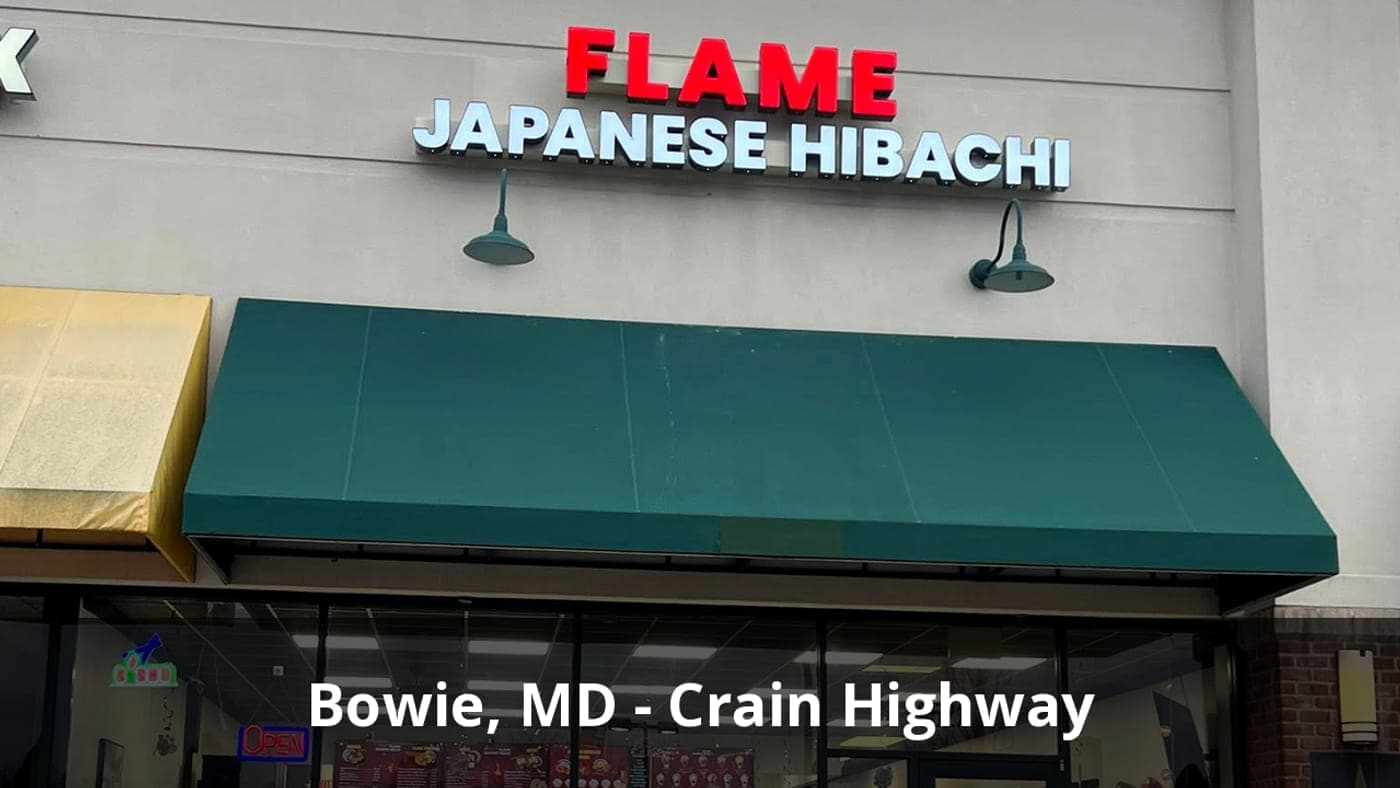
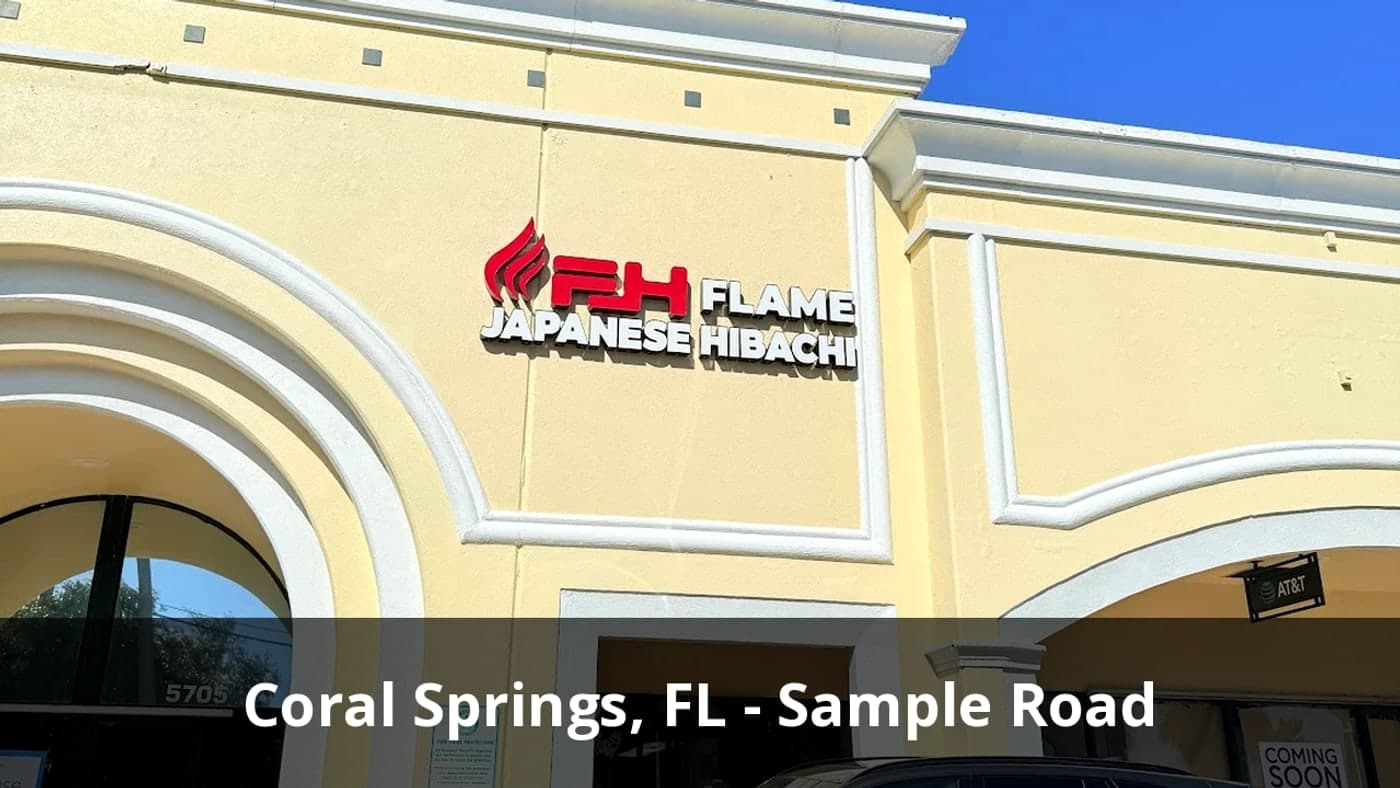
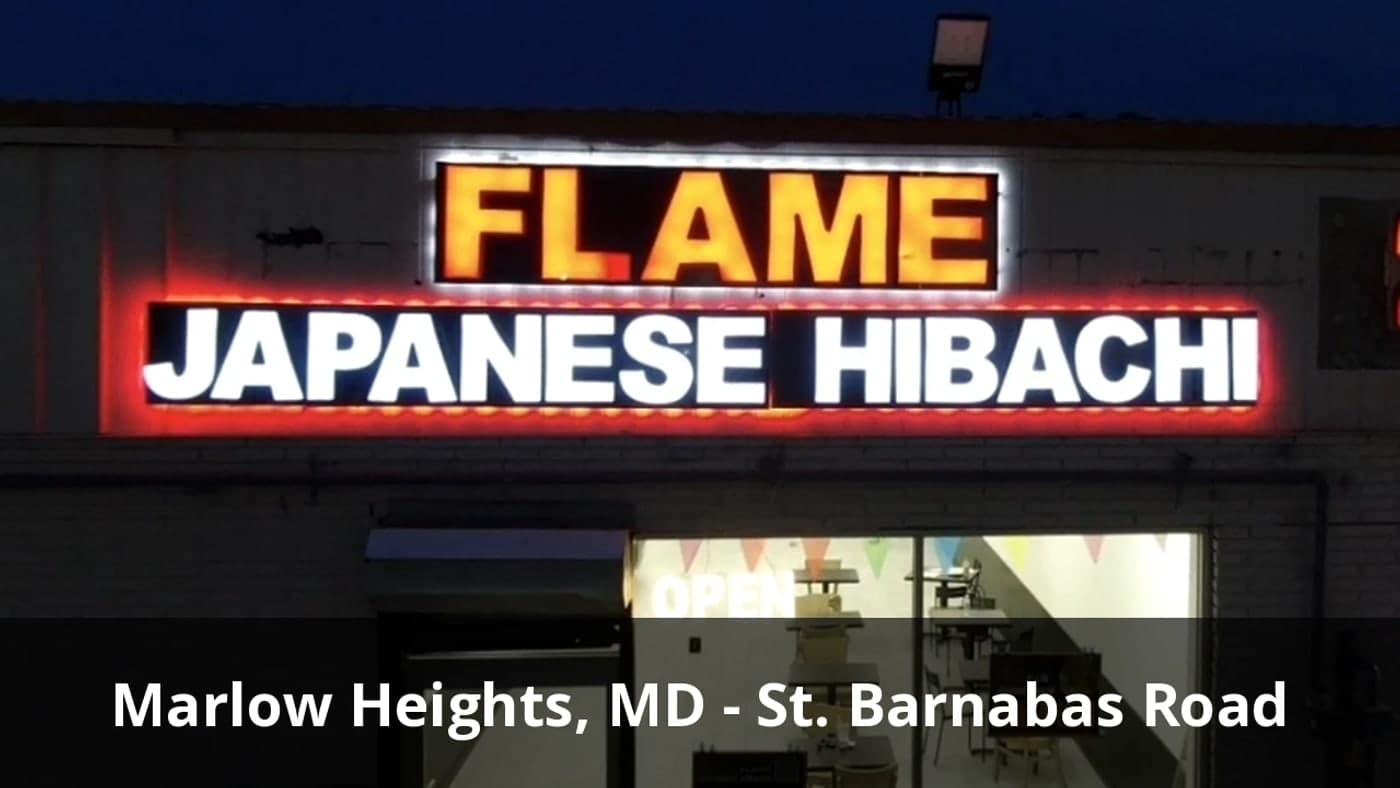
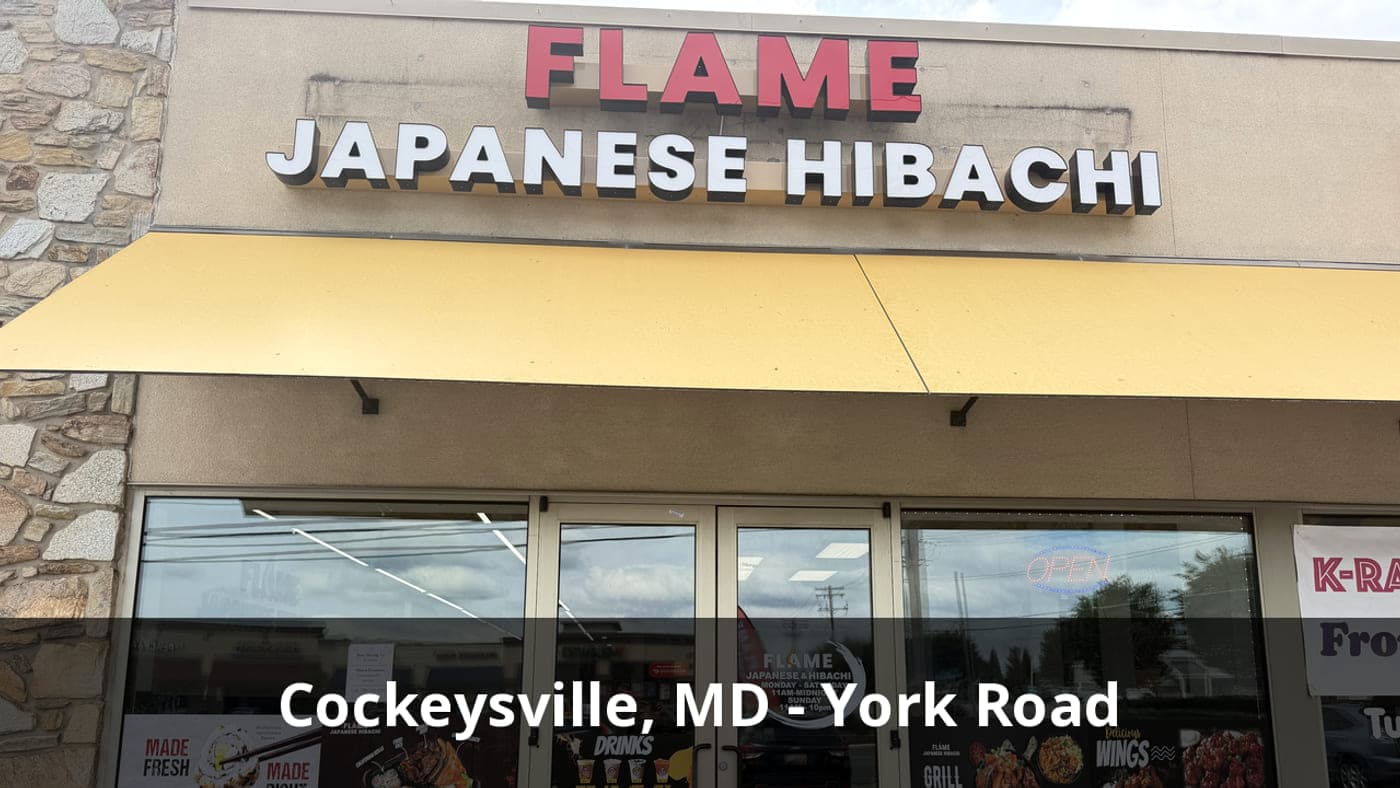
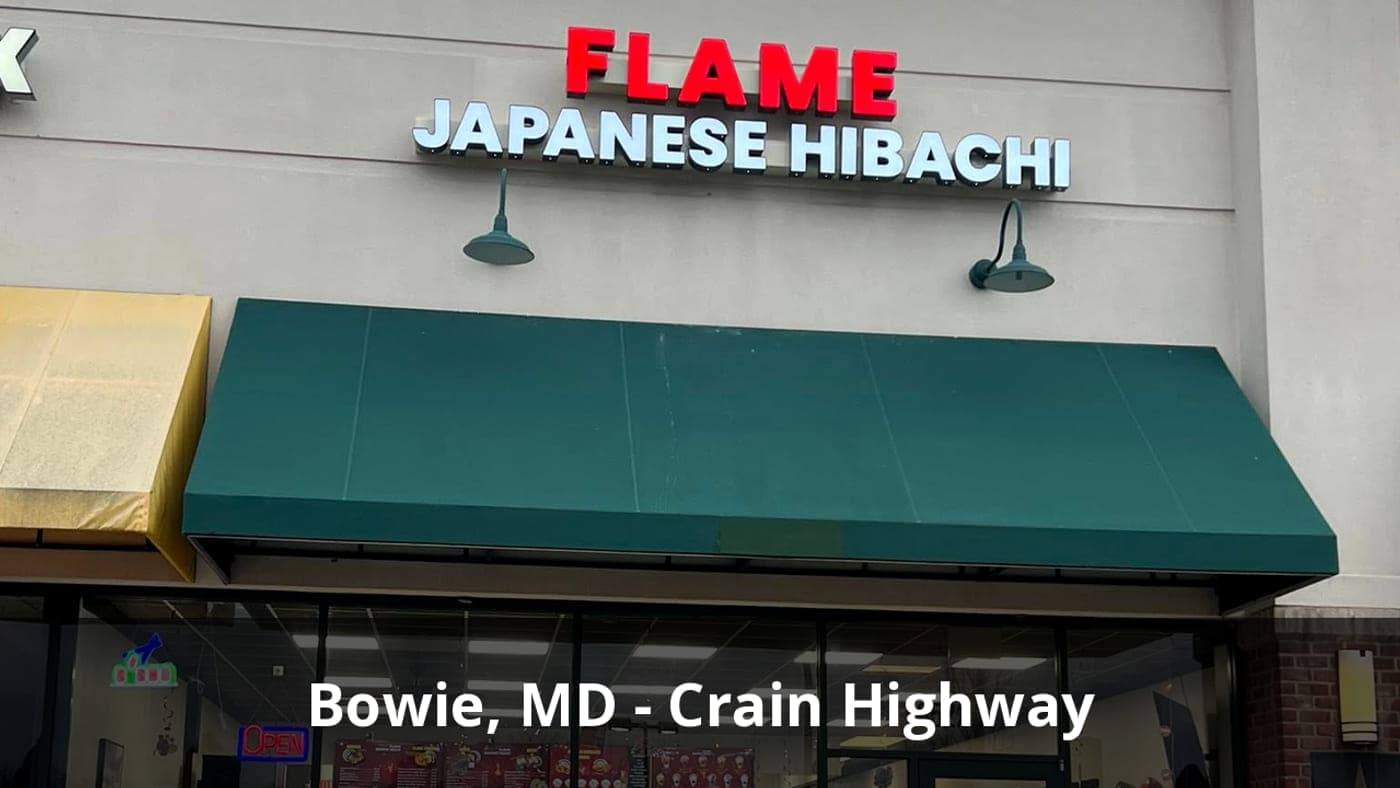
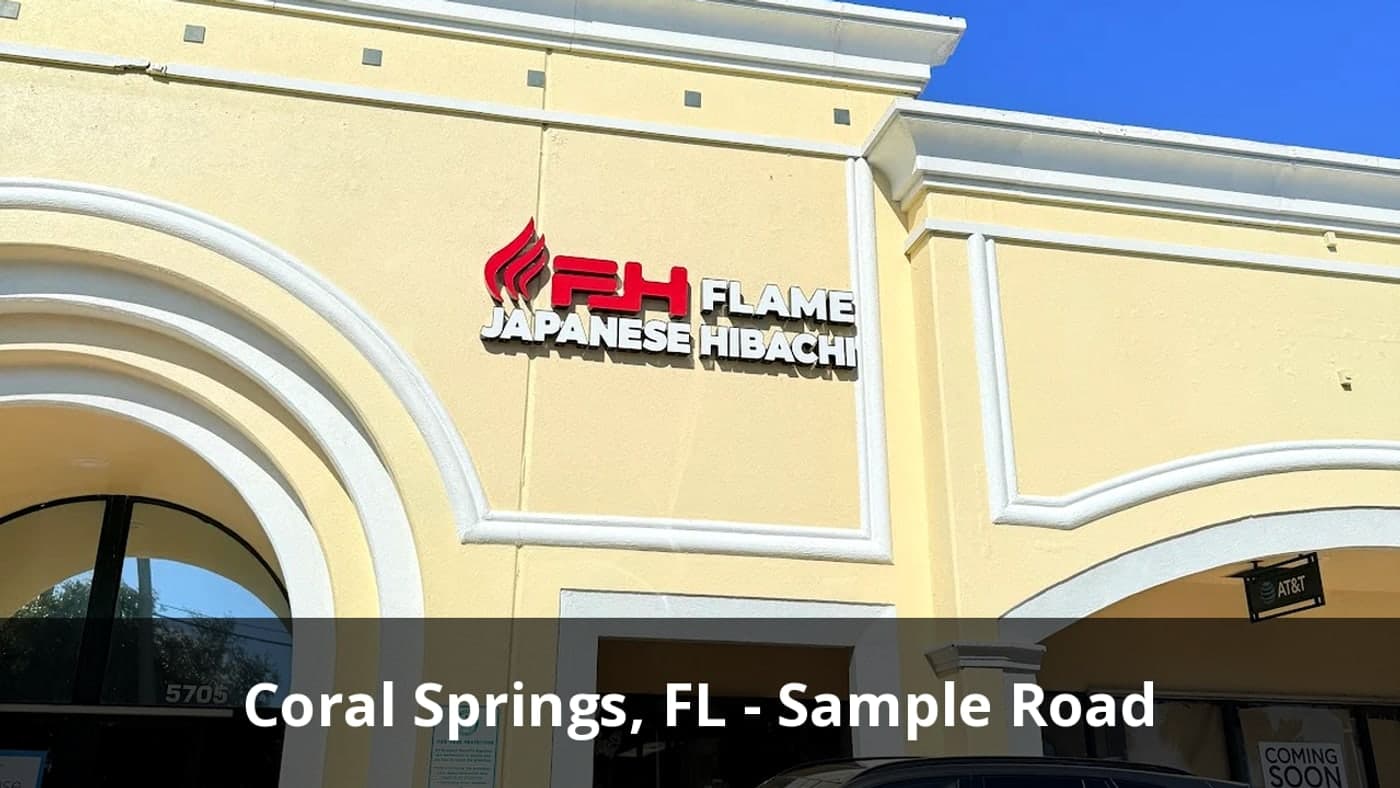
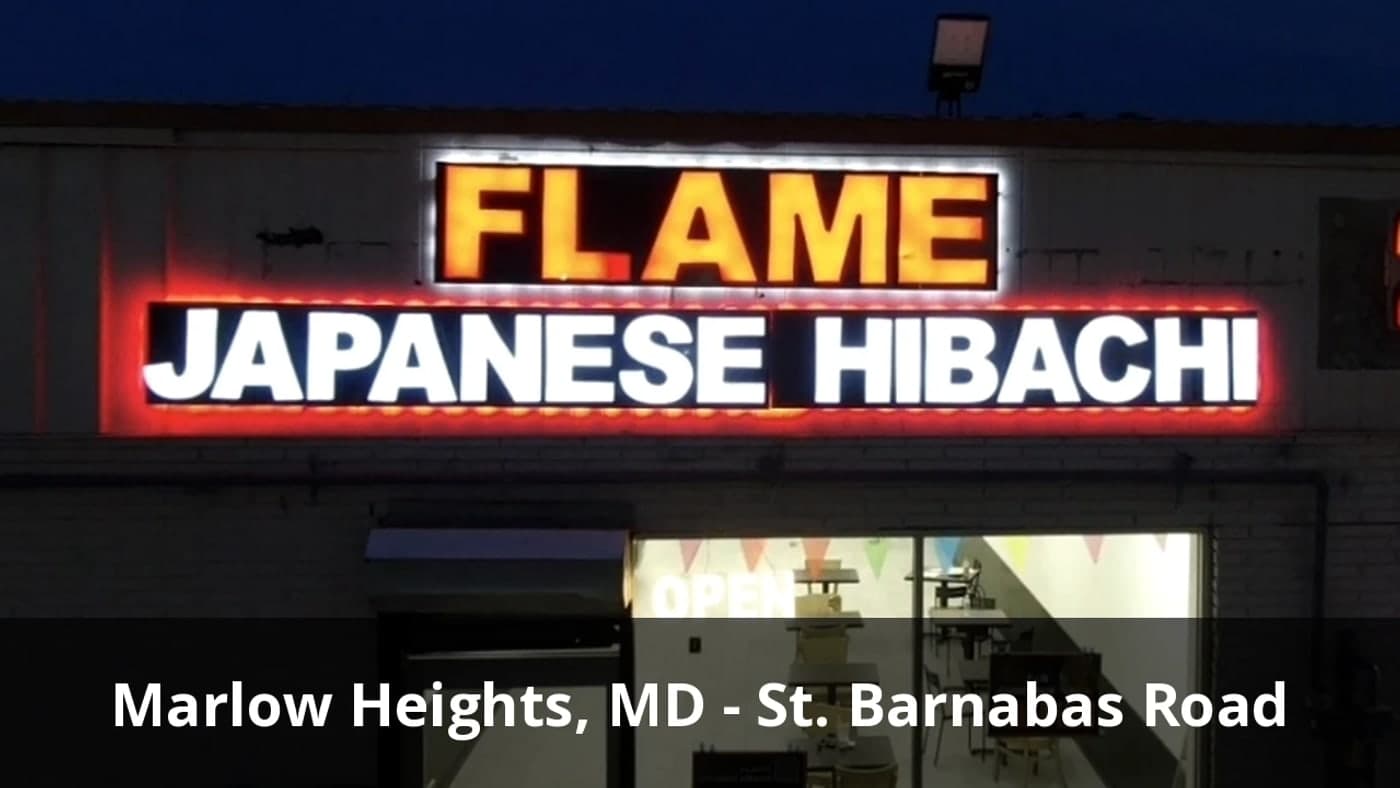
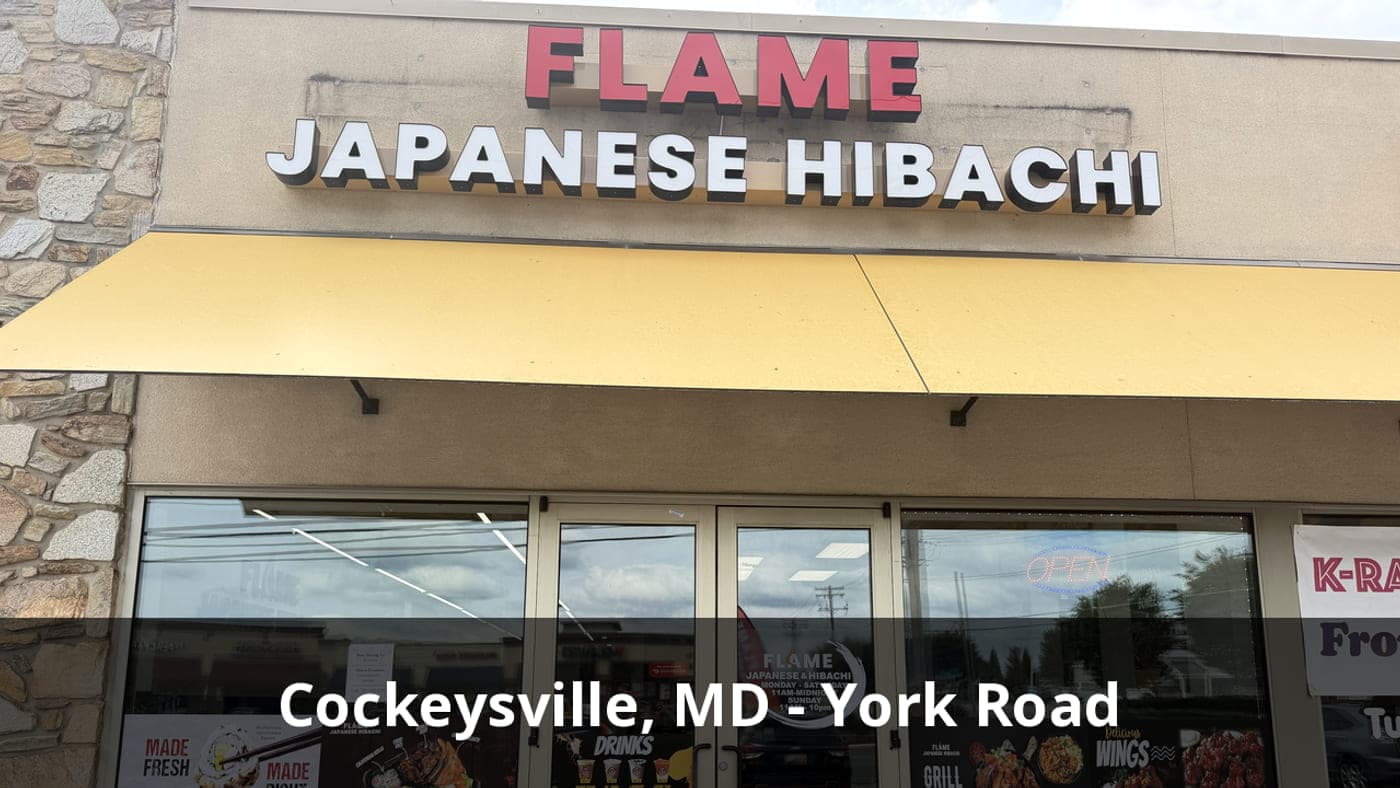
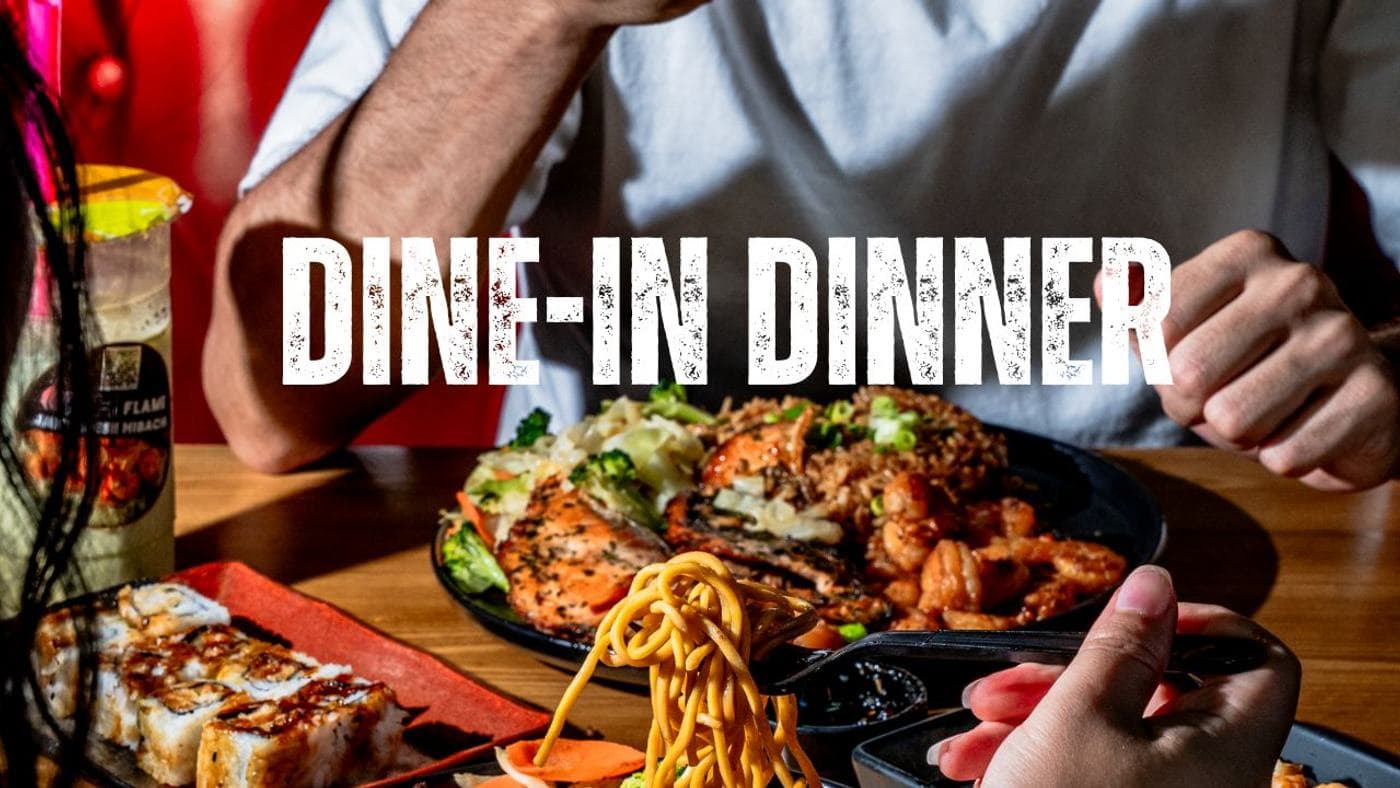
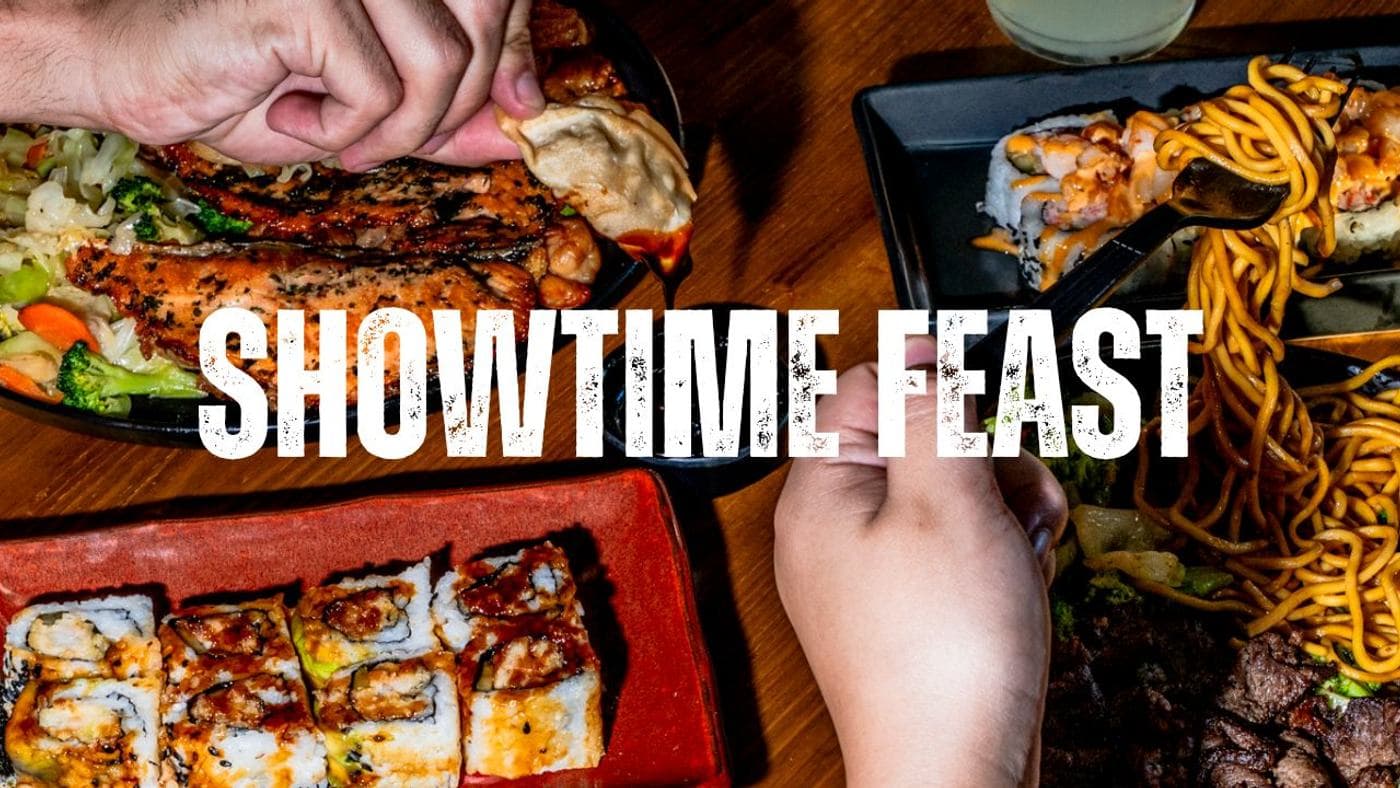
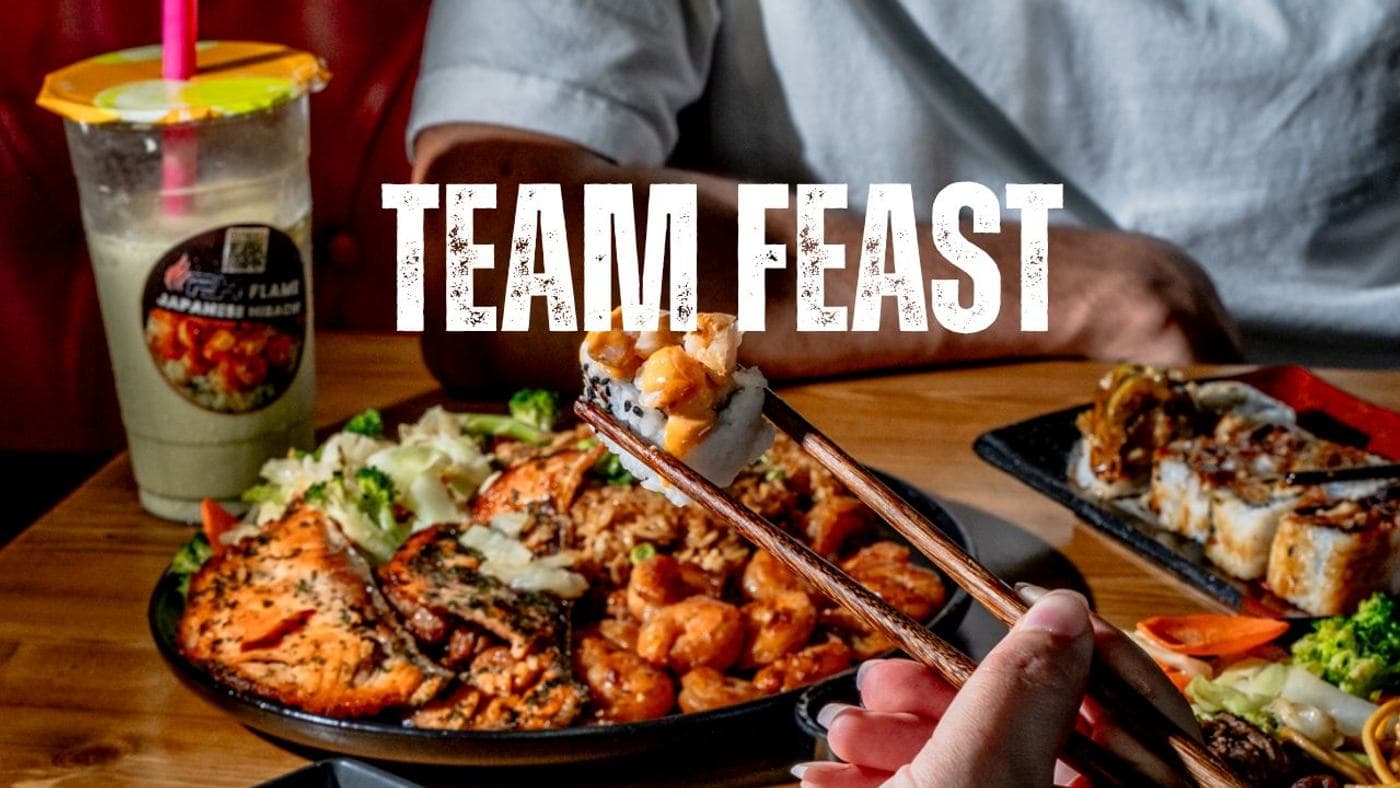
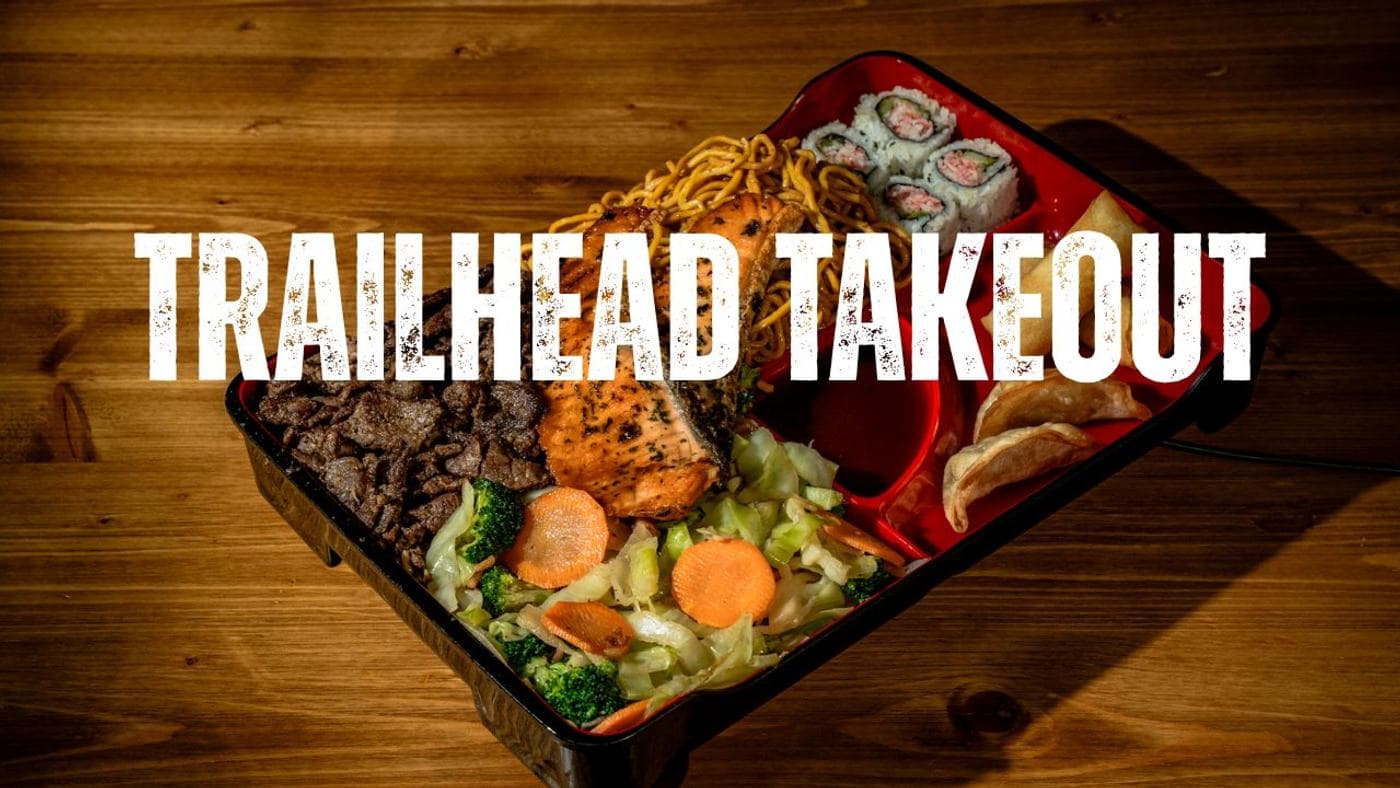
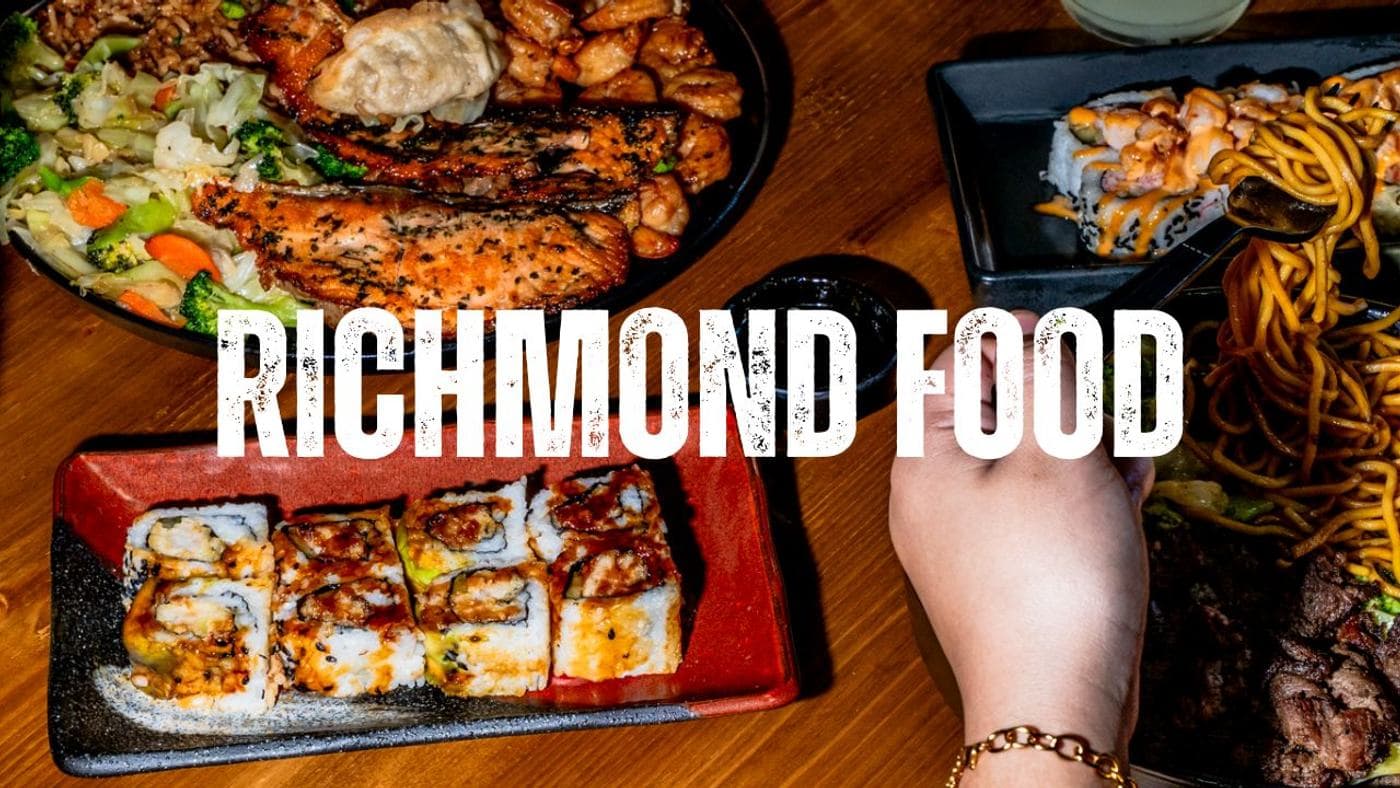
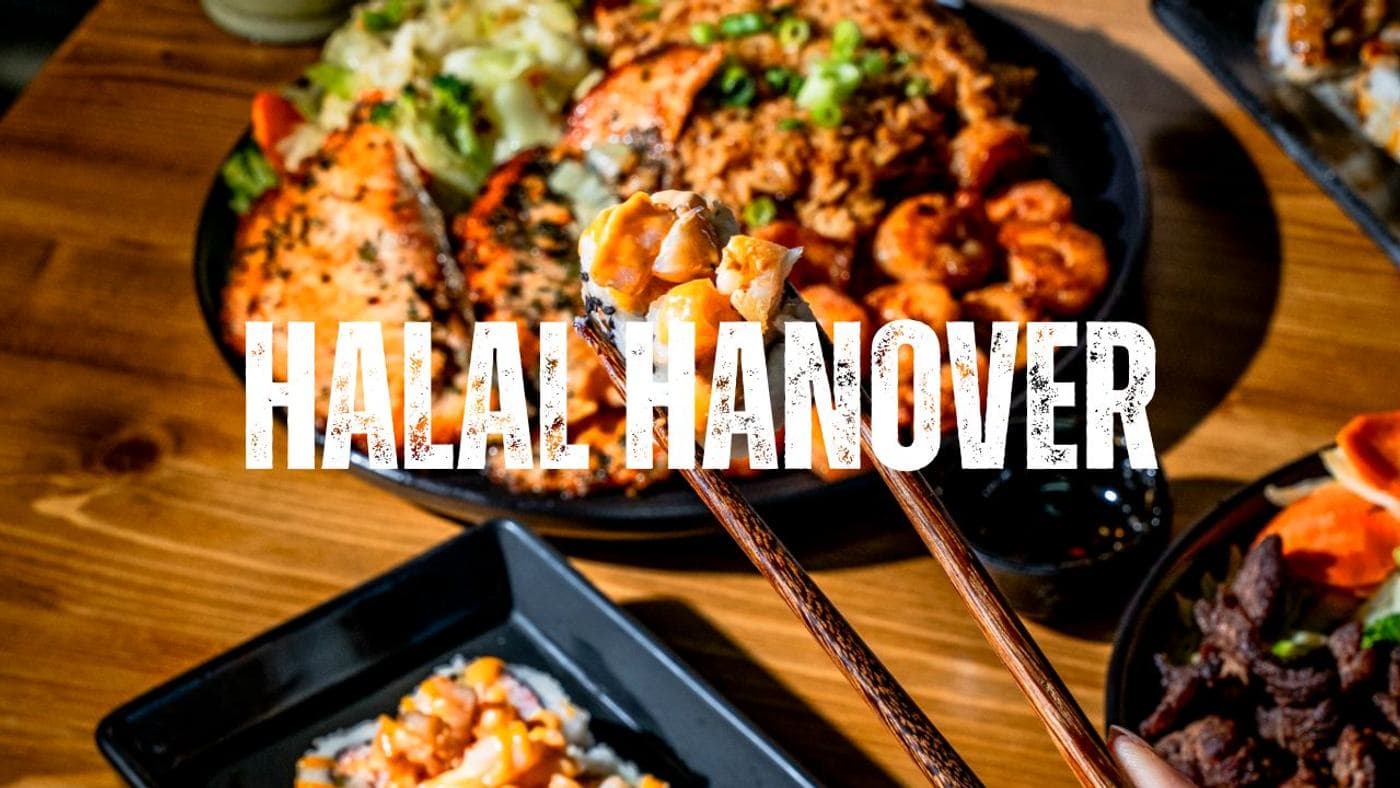
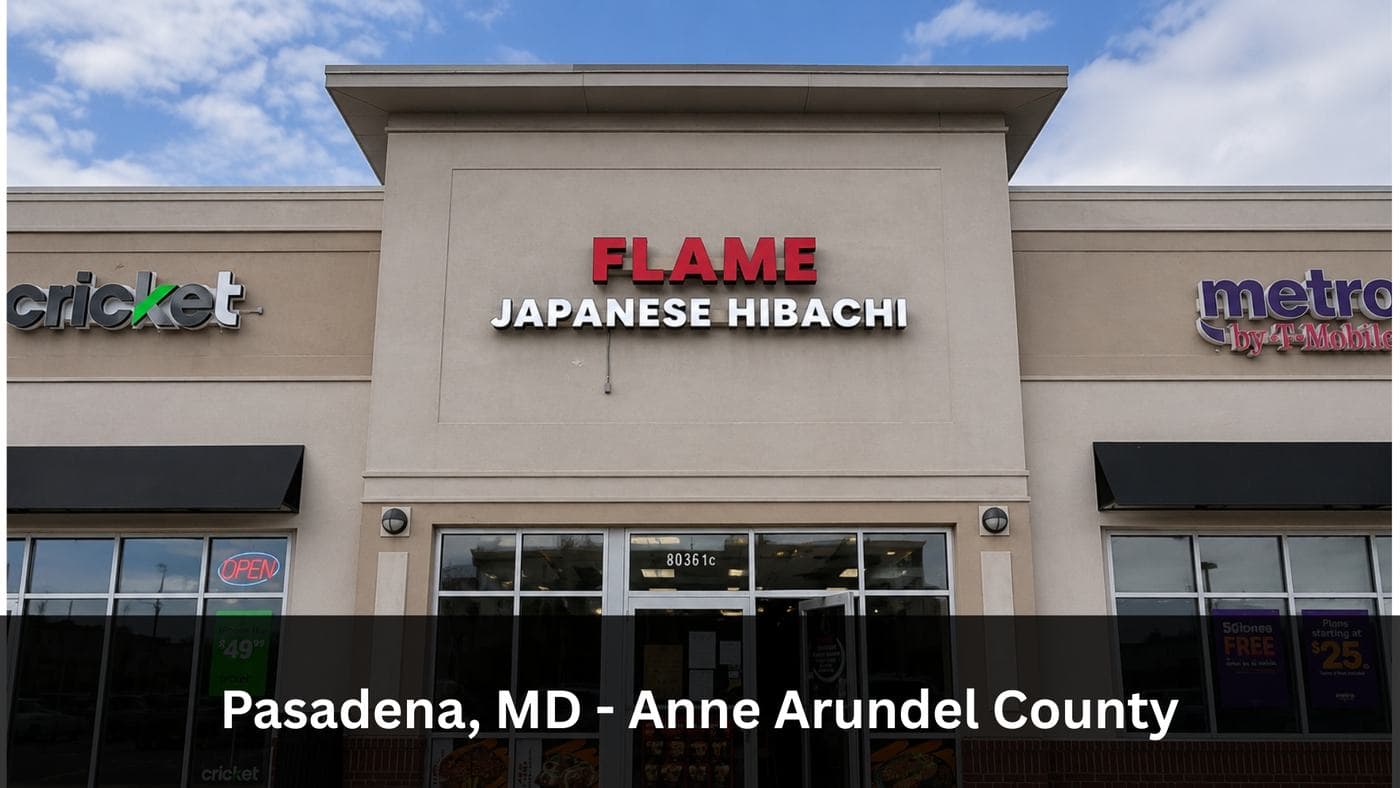
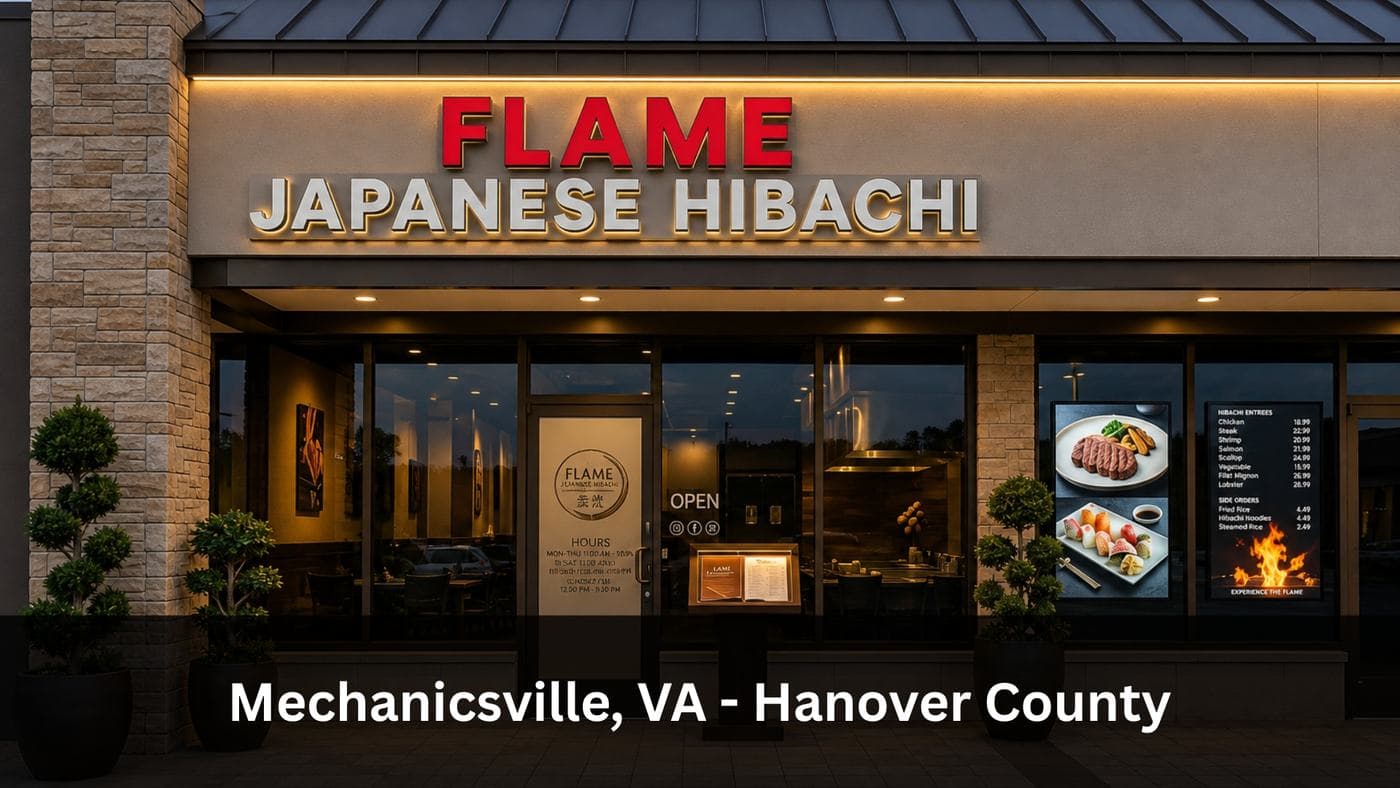
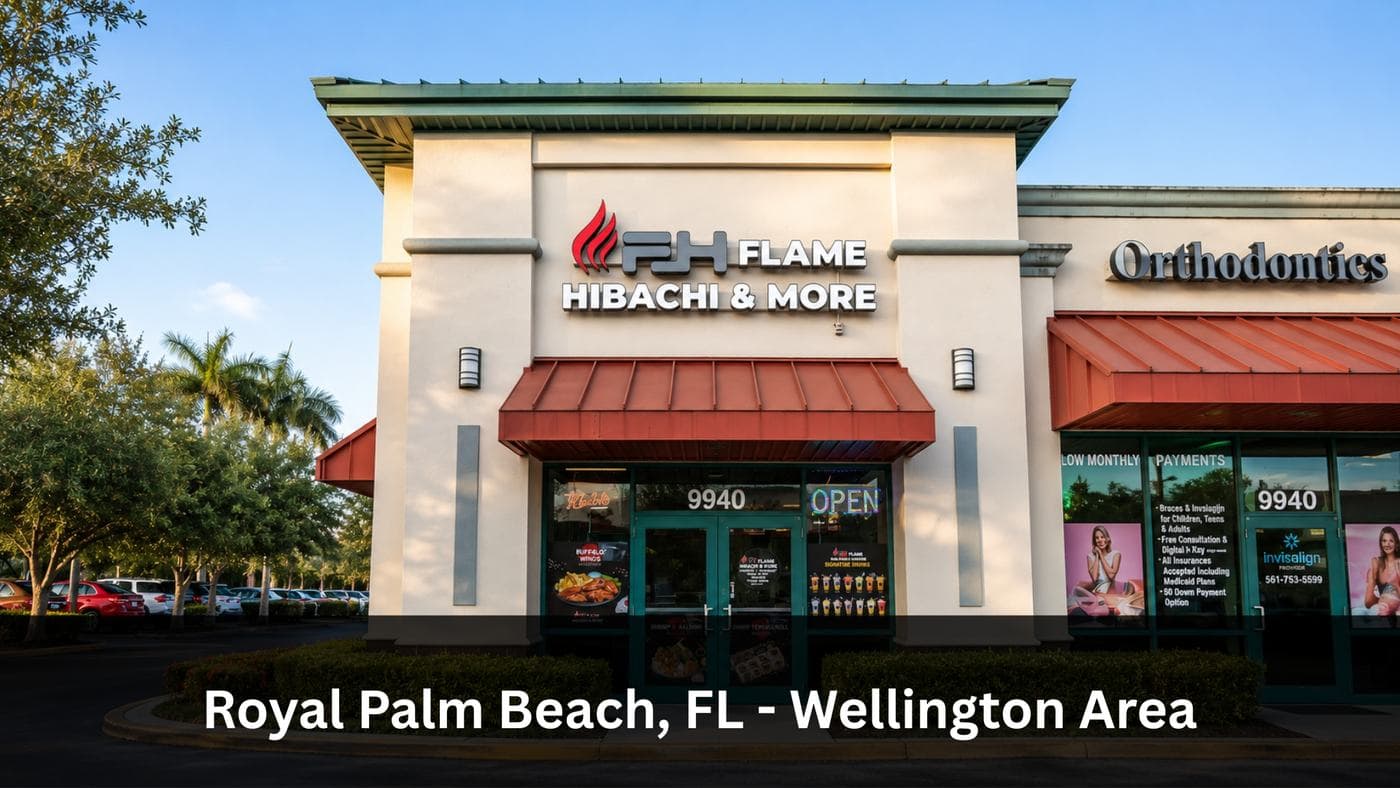
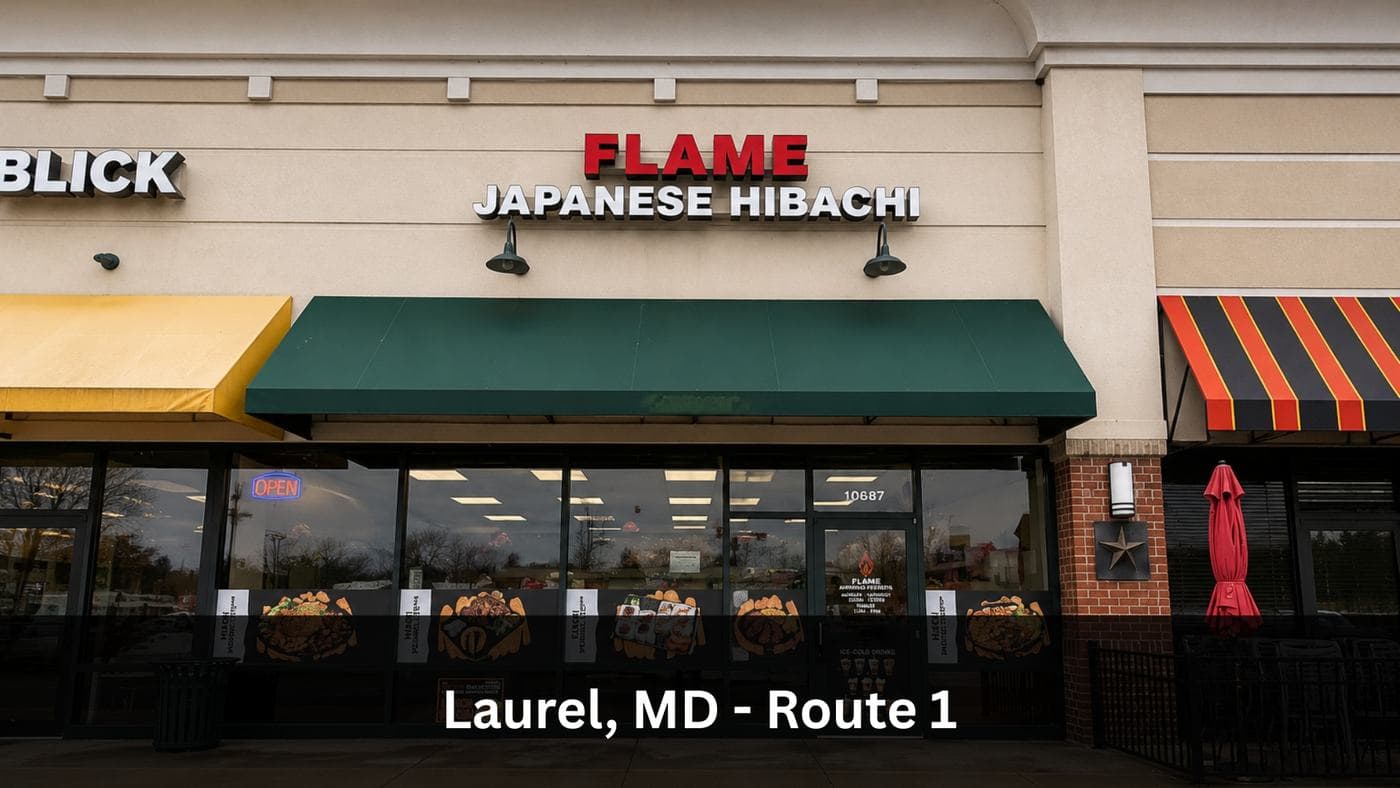
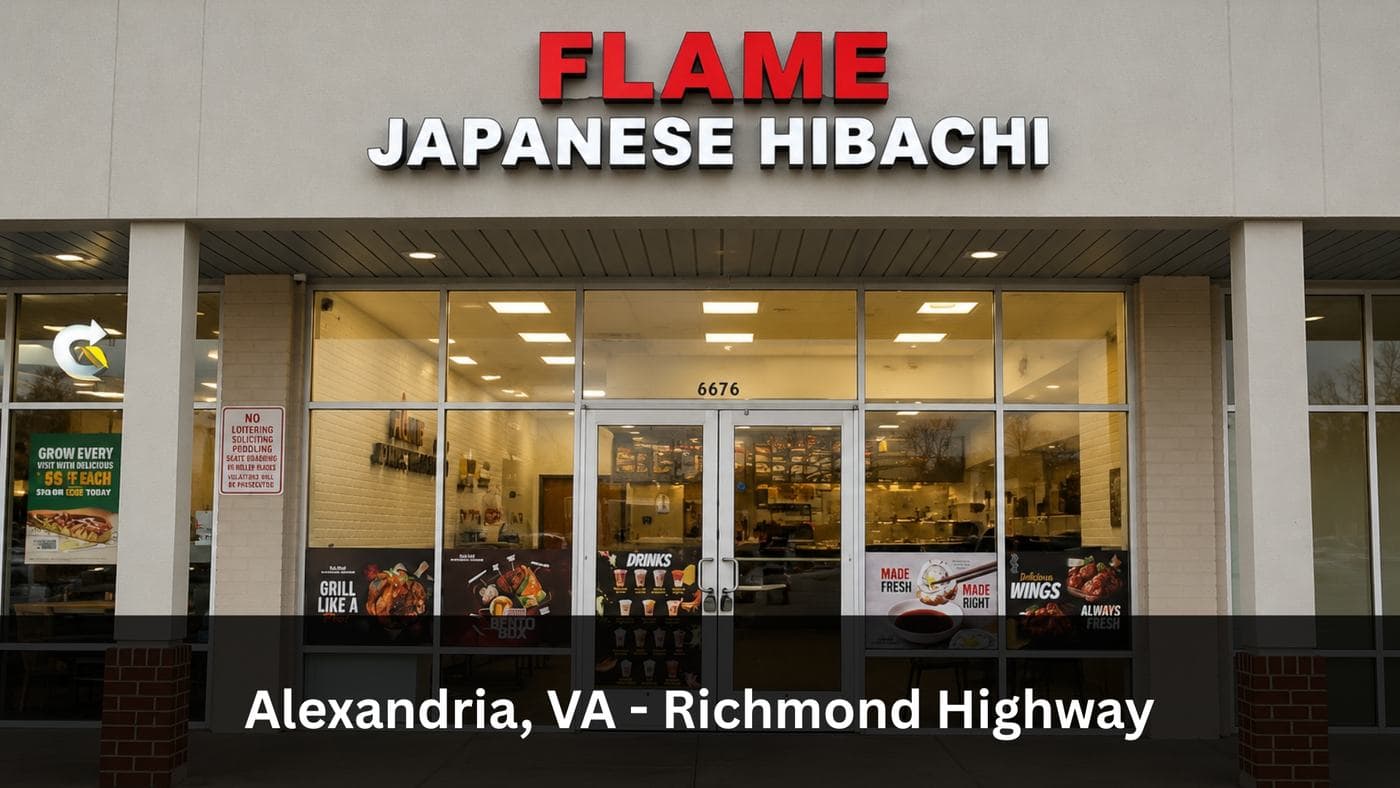
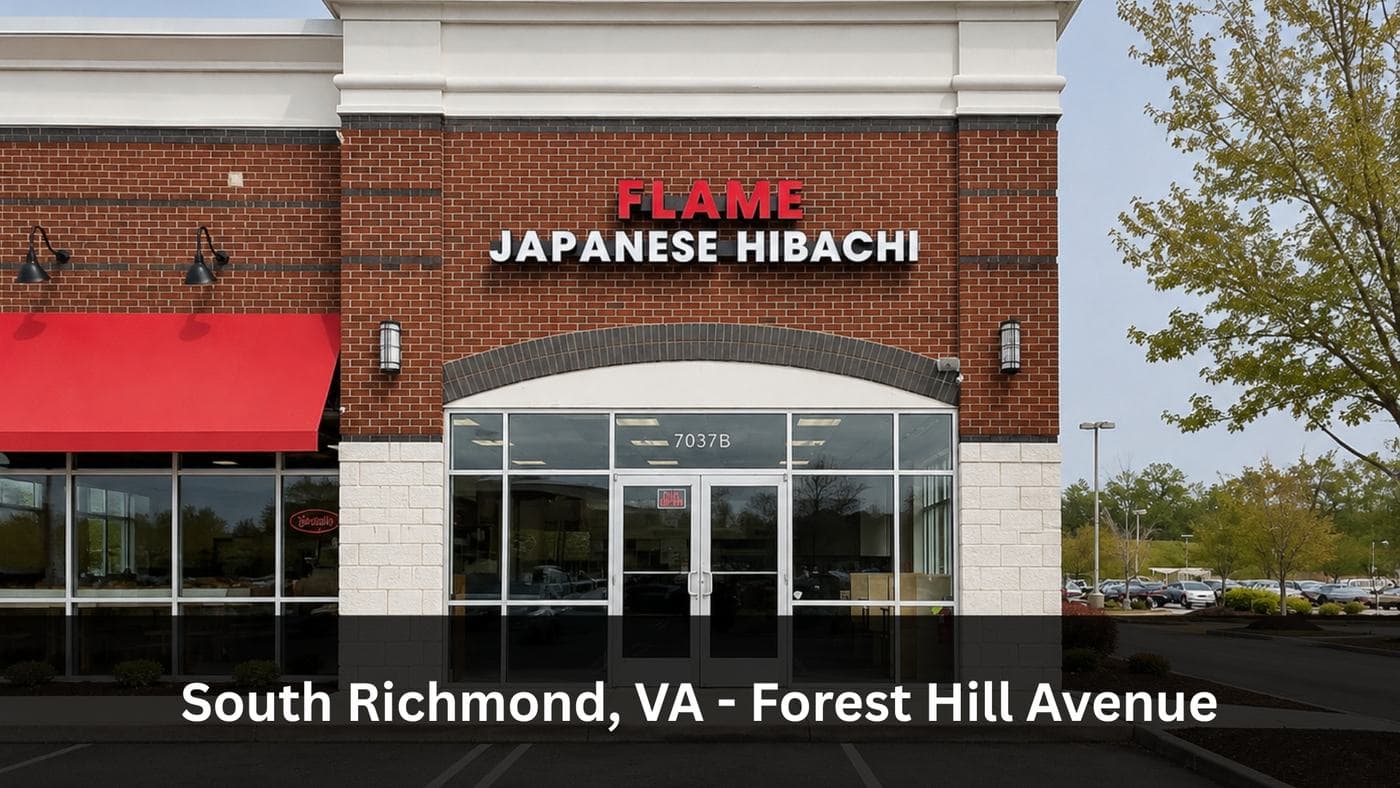
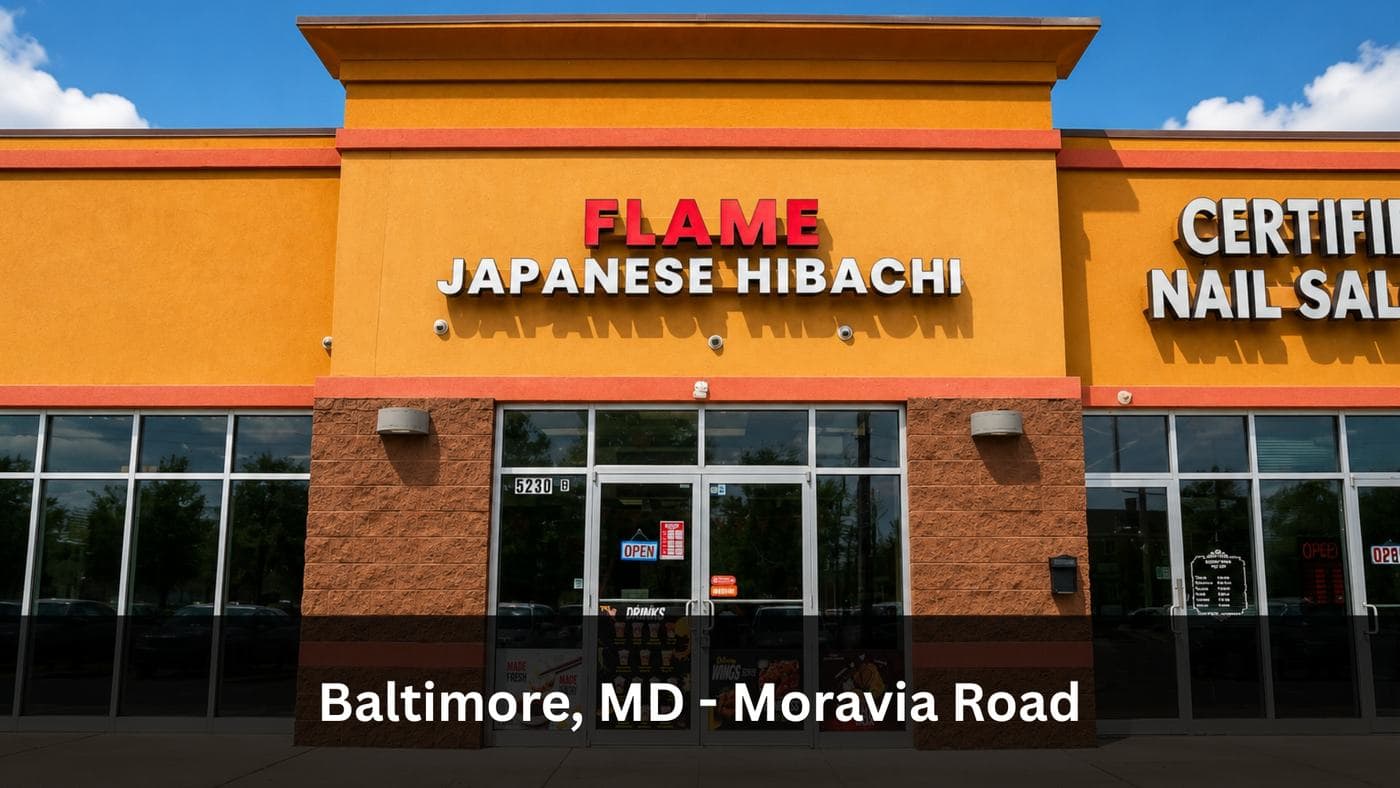
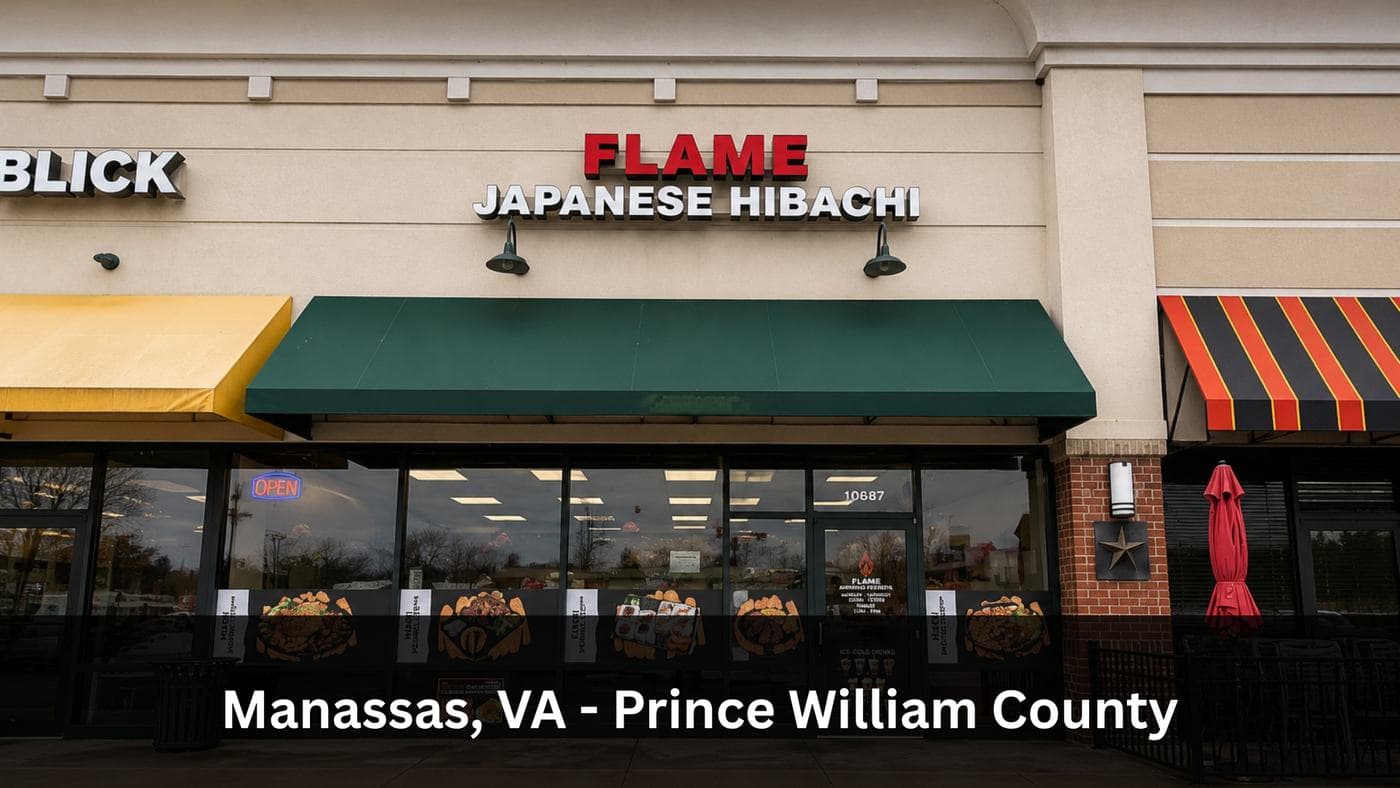
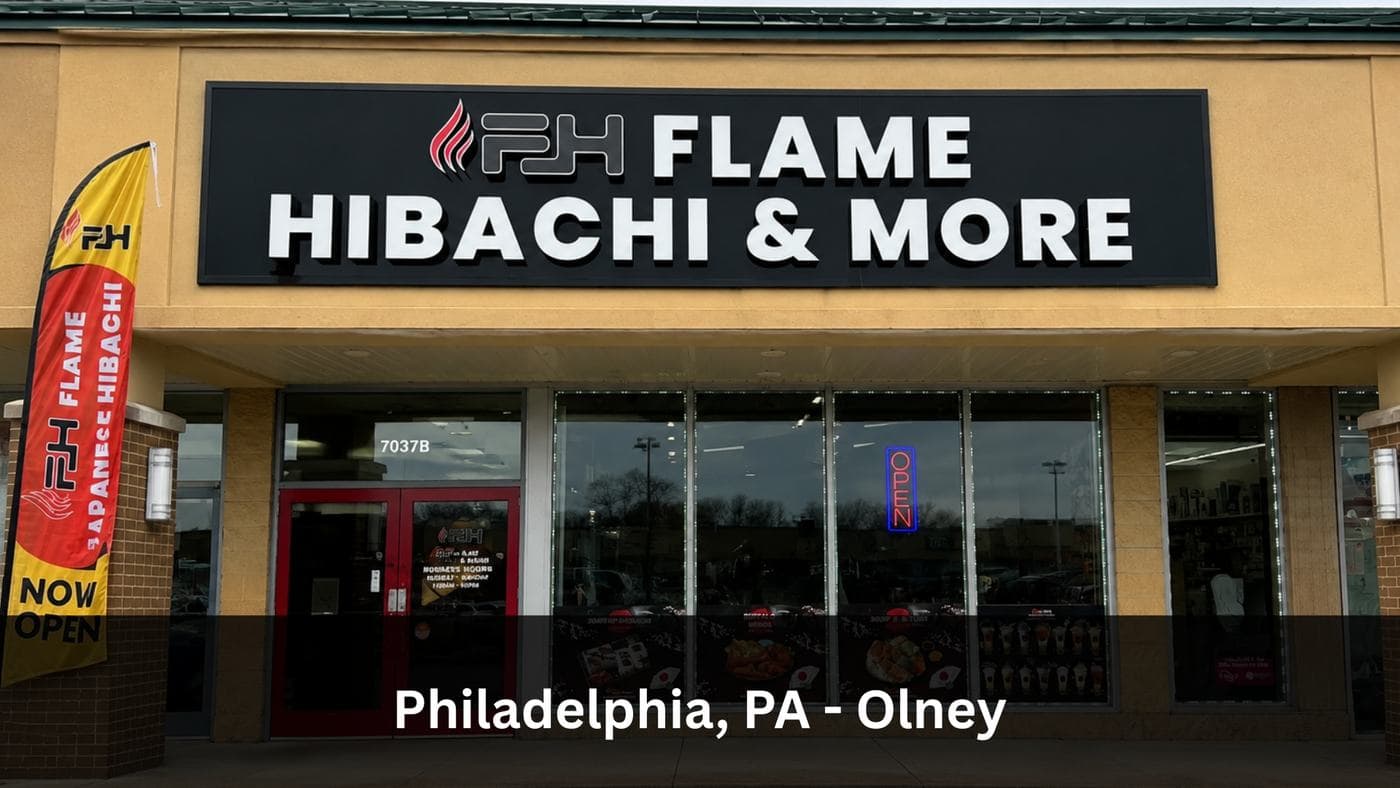
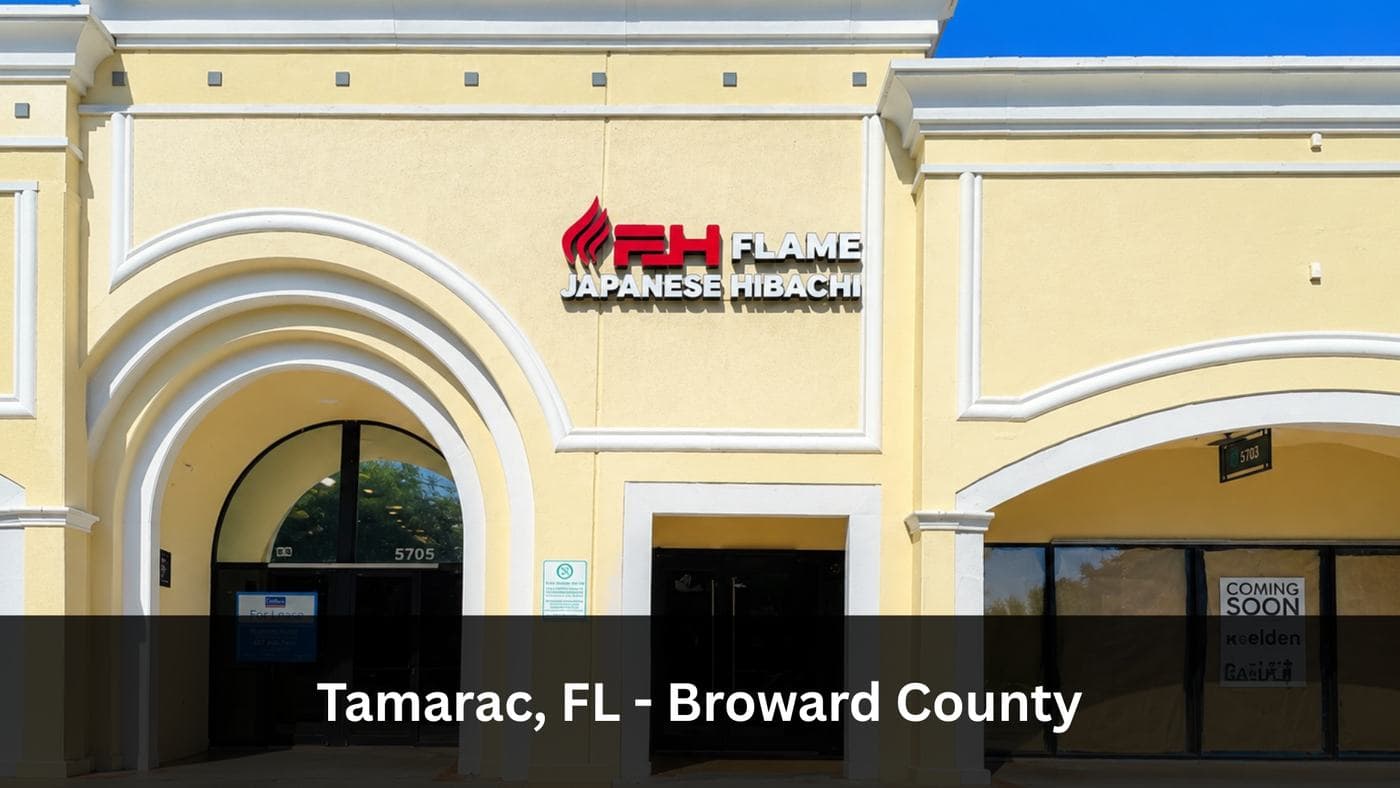
The easiest way to keep a sugar-only night from happening is a real meal before the kids head out. Halloween falls on a Saturday this year, and every Flame Japanese Hibachi location is open until at least 10PM that night.
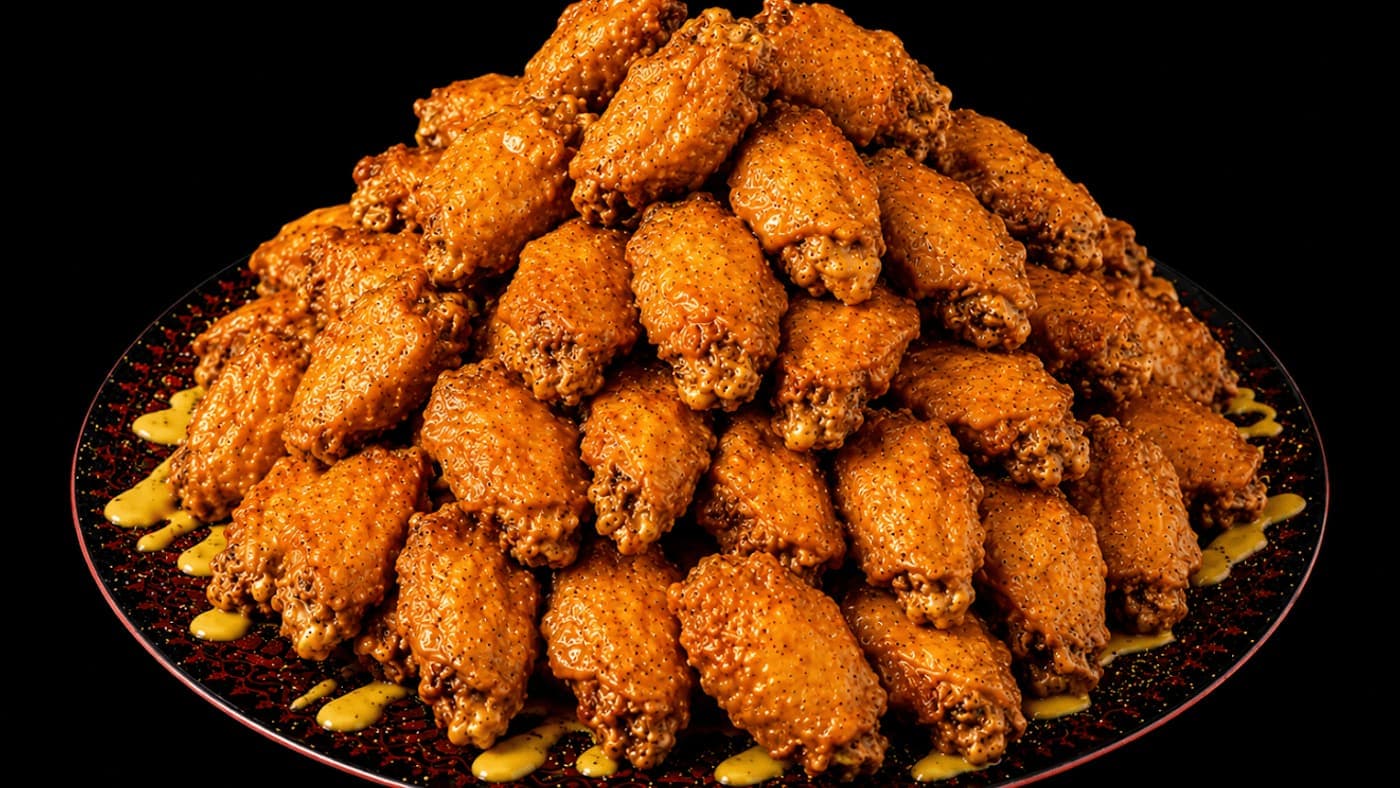
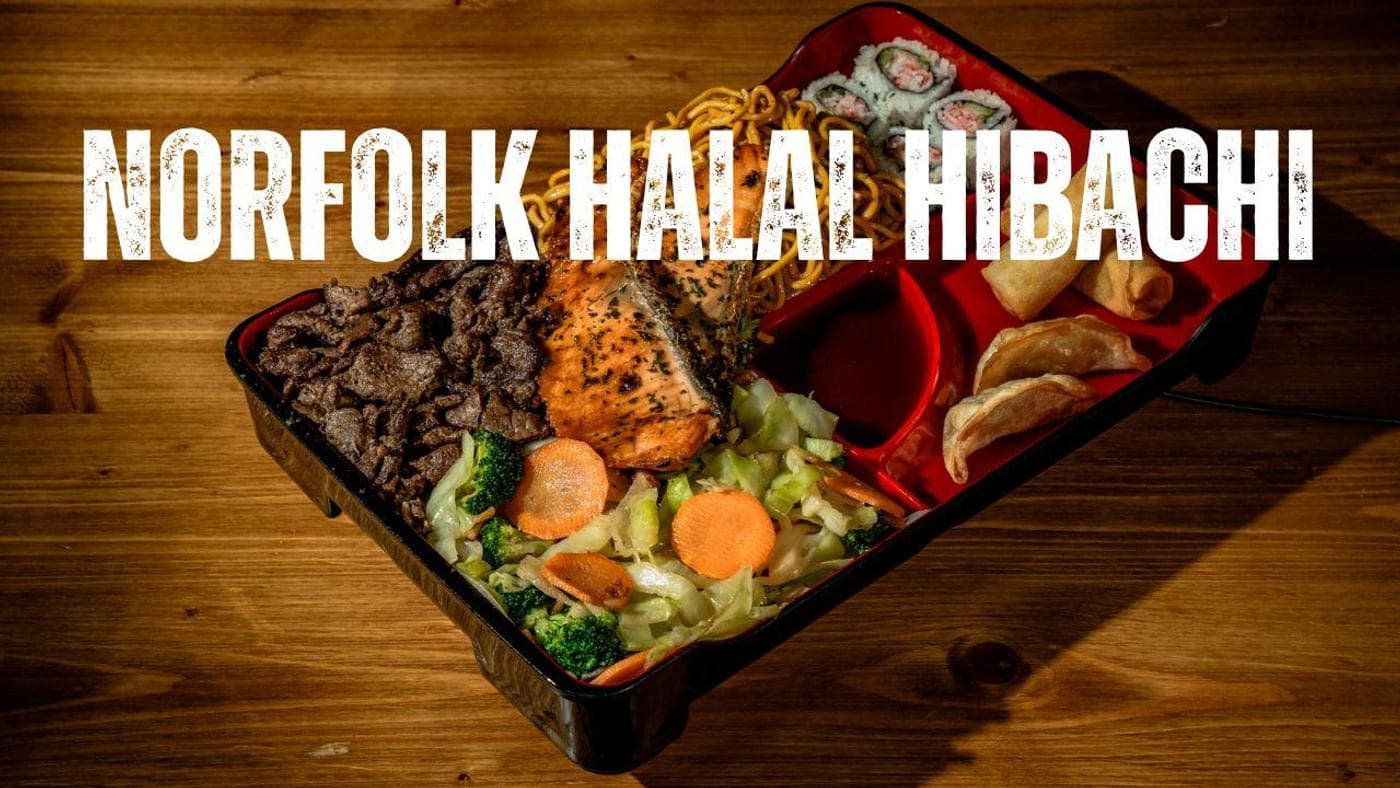
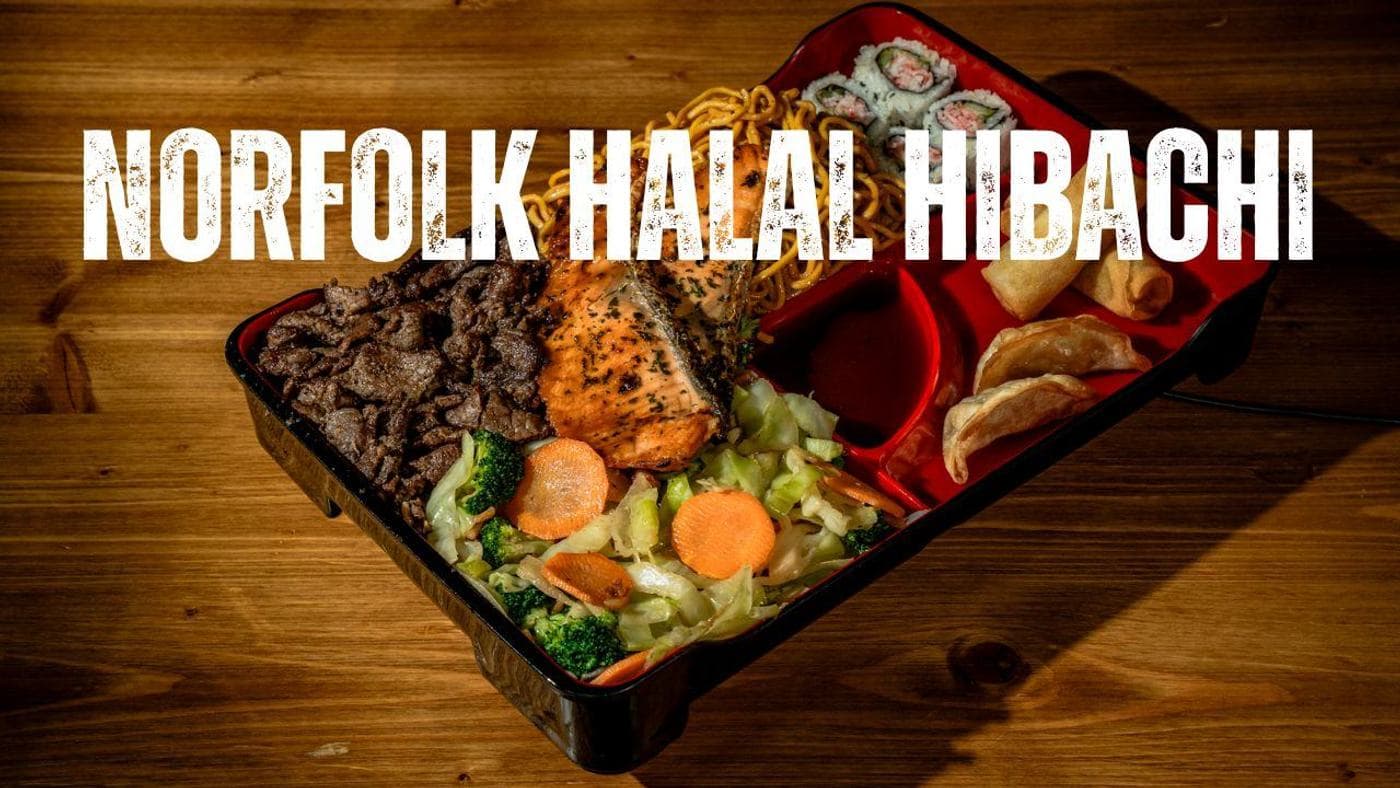
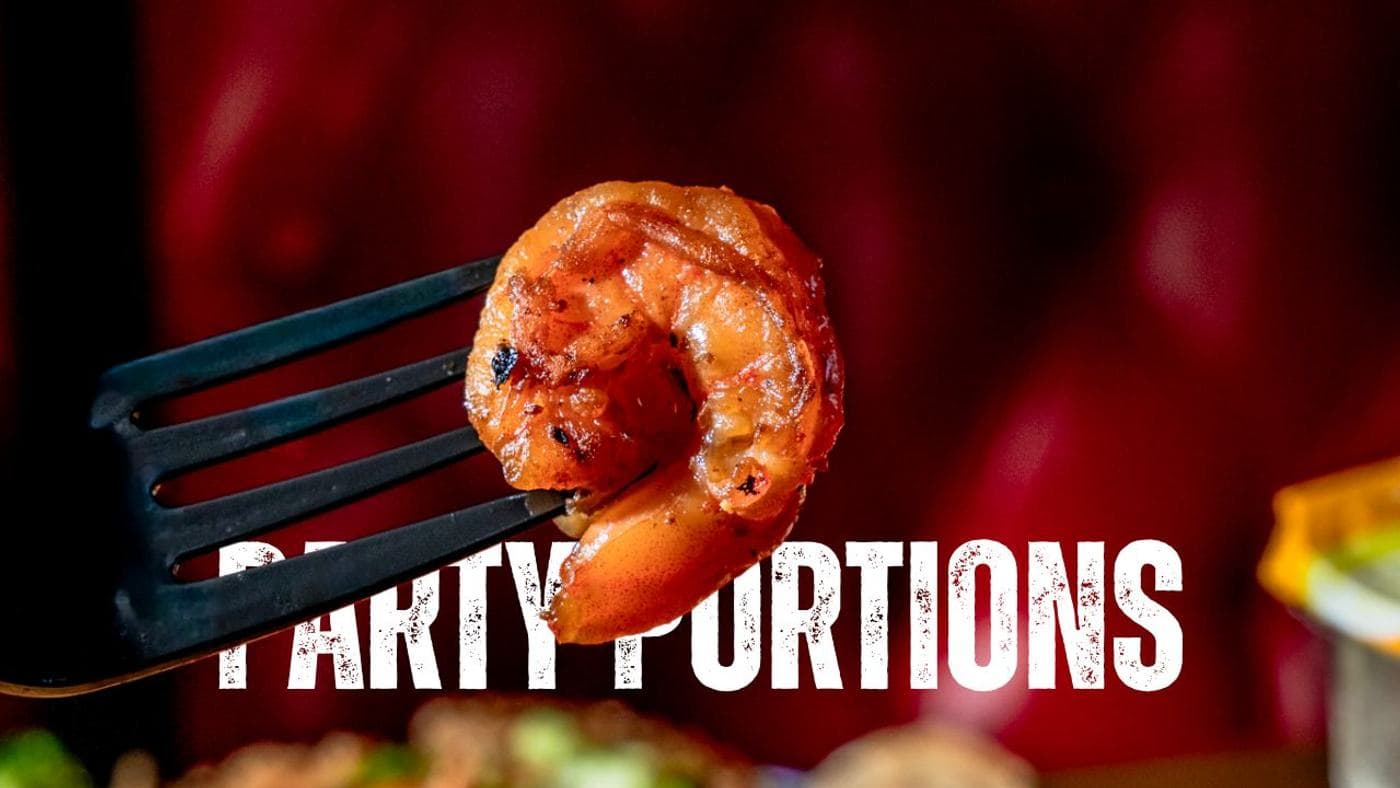
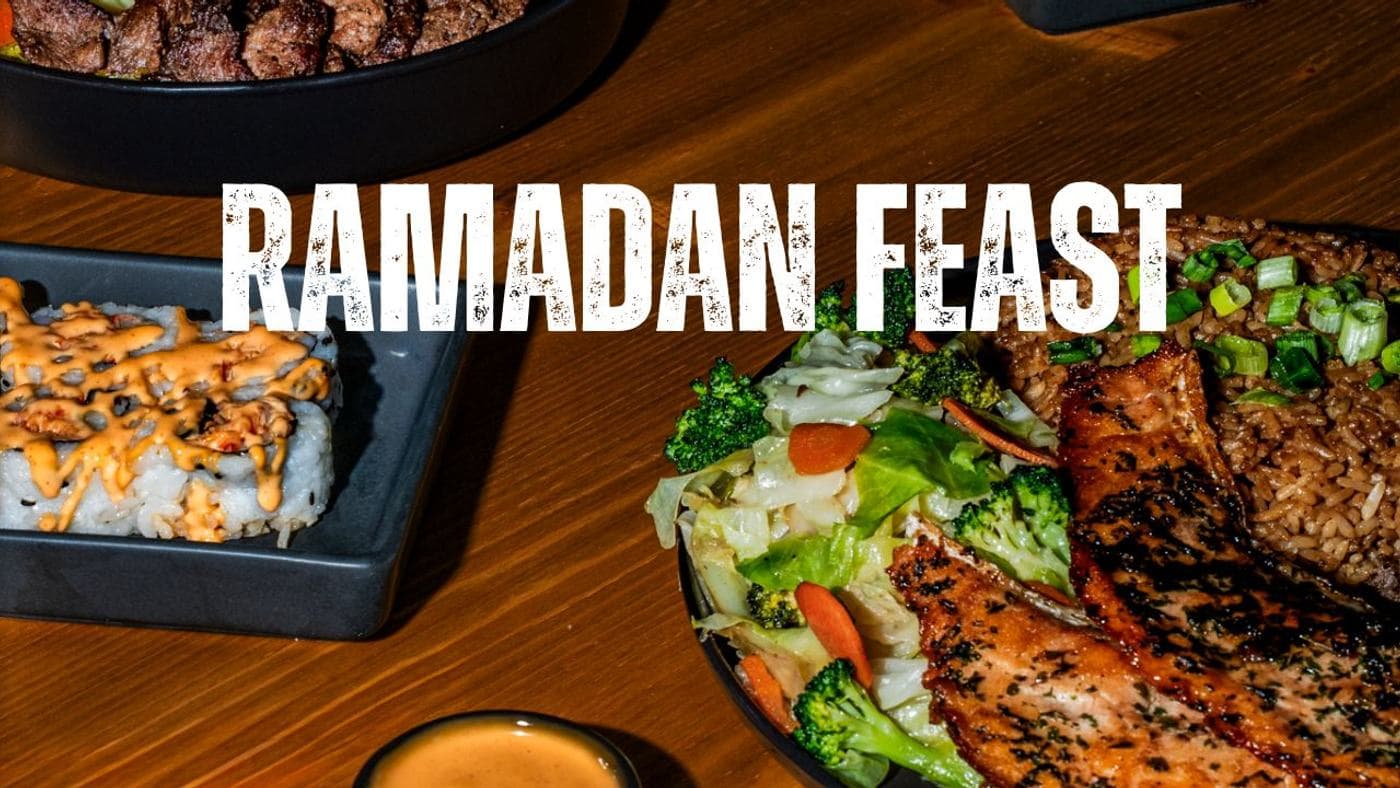
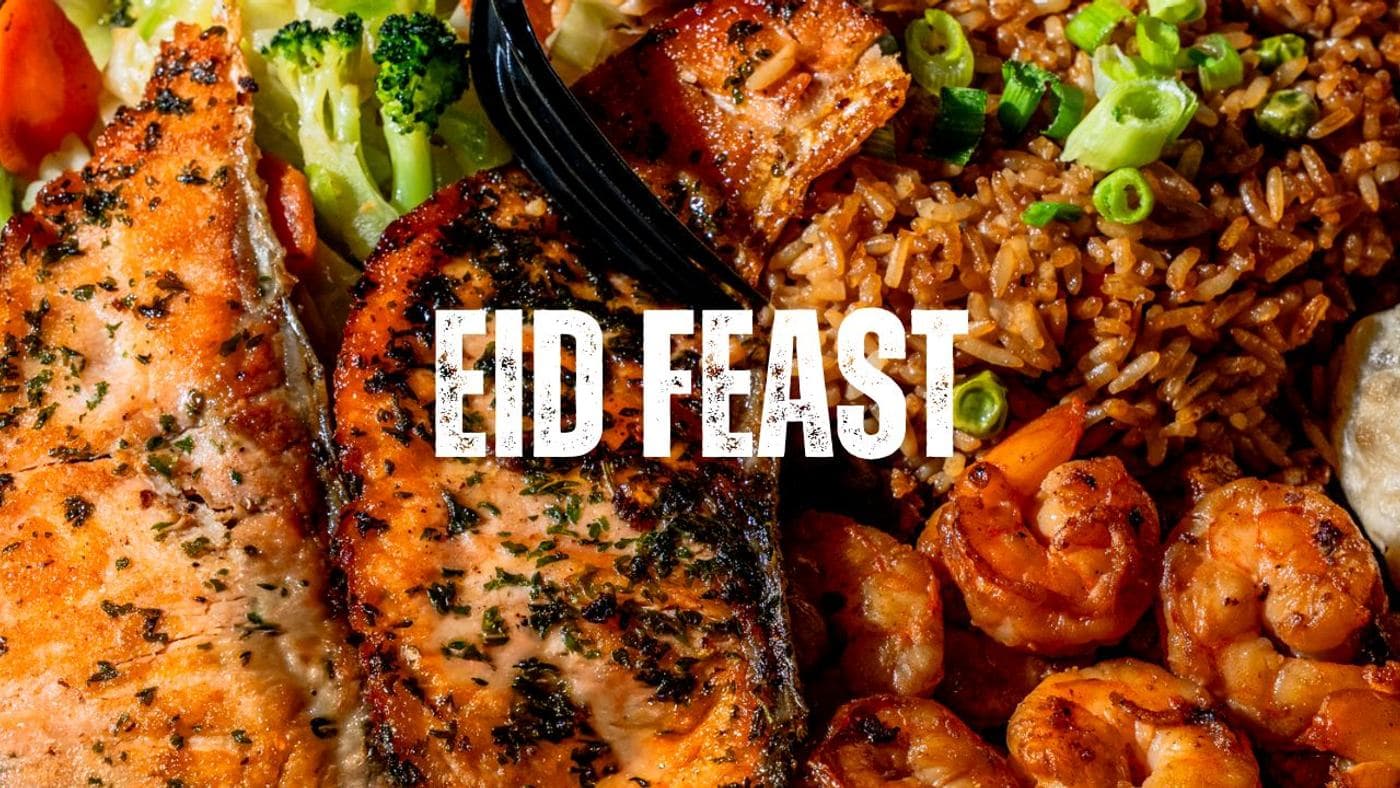
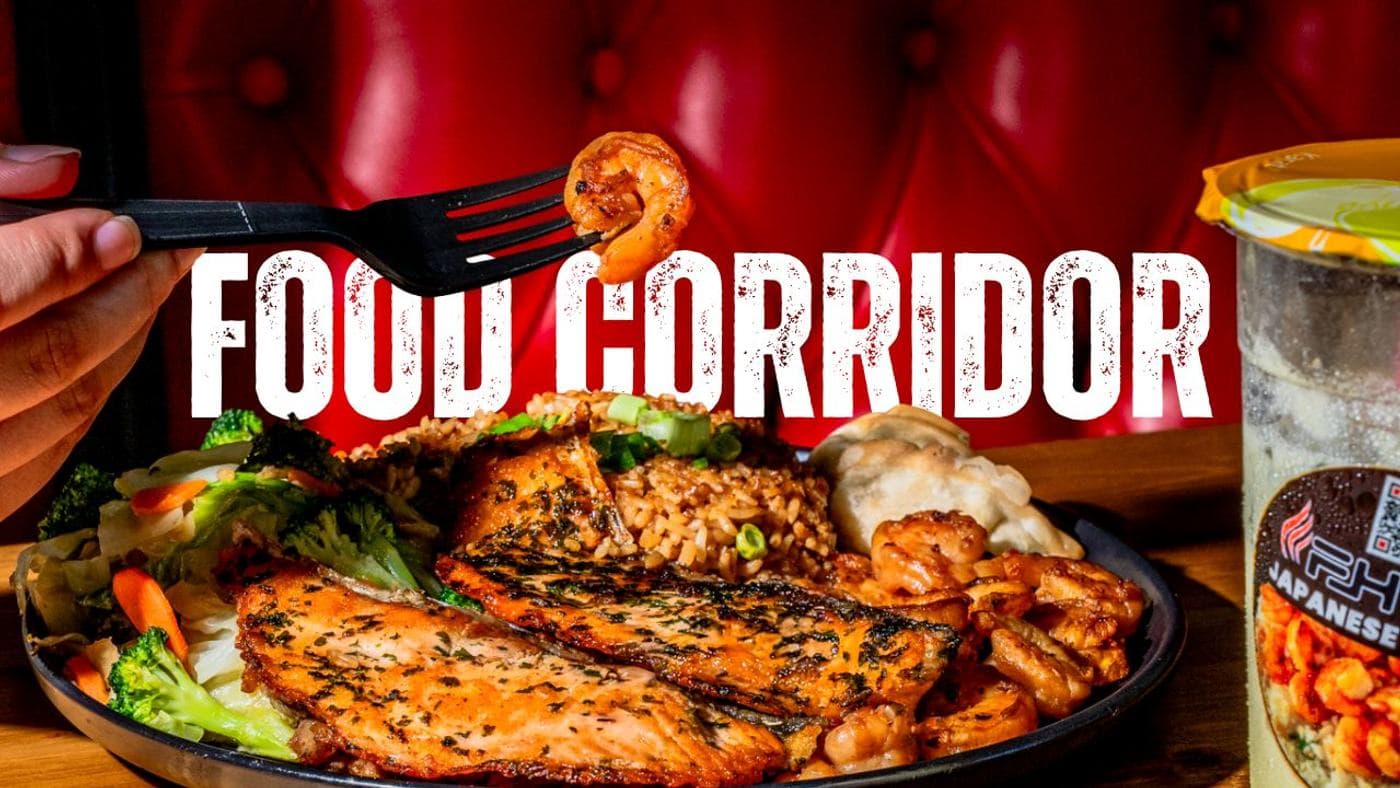
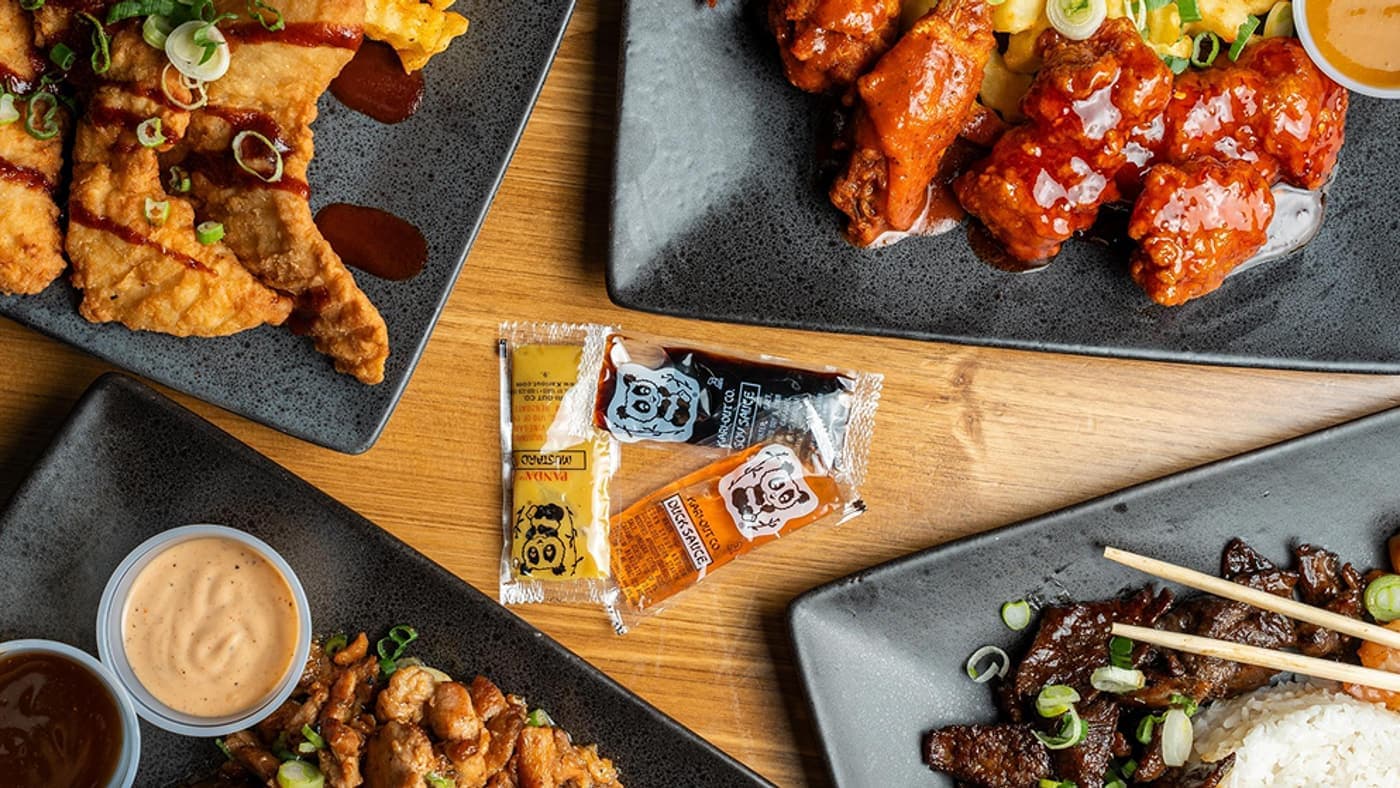
There is nothing to check on our menu. All of the meat we serve is 100% Halal at every location, and our sauces are made in our own kitchen. A Chicken Hibachi is $10.85, Chicken Tenders start at $8.99 for three pieces, and a 50-piece wing order is $67.99 for a crowd.