The single most common thing said at a sushi counter is a version of "I do not eat sushi," and most of the time it means "I do not eat raw fish." Those are different sentences, and the gap between them is the reason a lot of people have written off an entire category of food they would probably like. This is a plain guide to that gap, written for anyone in Pasadena who has been the person ordering chicken while everyone else orders rolls.
Sushi is rice, not fish
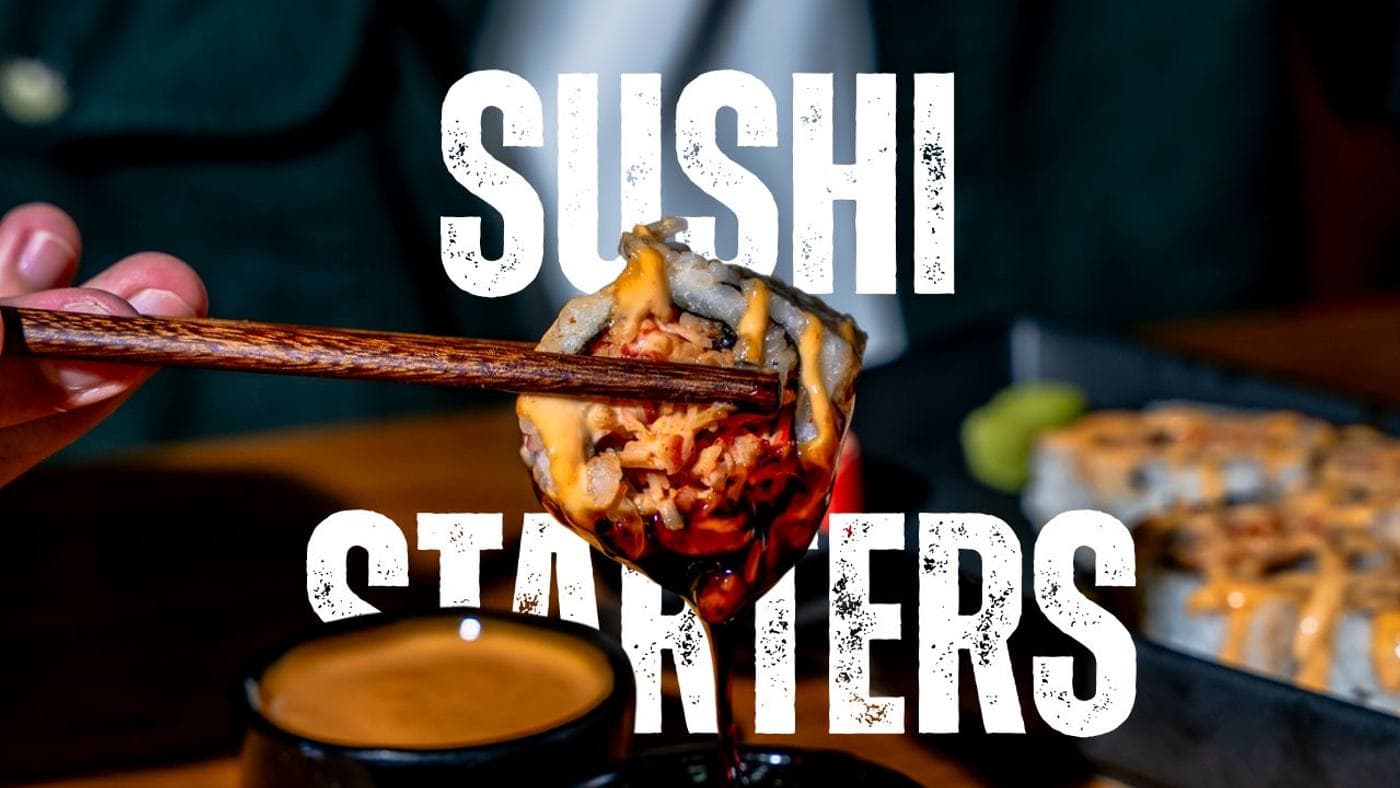
The word sushi refers to the rice: short-grain rice seasoned with vinegar, sugar and salt. That is the defining component. What sits on top of it or inside it is a separate question, and it can be raw fish, cooked fish, cooked shellfish, vegetables, egg, or a combination. The dish people are usually thinking of when they say sushi is sashimi, which is sliced raw fish served without rice, or nigiri, which is raw fish over a pressed block of rice. Rolls are a different format again, and a large share of the rolls on any American menu contain nothing raw at all.
The rolls with nothing raw in them
California Roll, $7.85. Crab stick, avocado and cucumber. Nothing raw, mild, and the roll almost everybody starts with for good reason.
Shrimp Tempura Roll, $7.85. Battered and fried shrimp. Warm, crisp, and about as far from raw as a sushi roll gets. This is the one to order for someone who is genuinely nervous.
Hibachi Chicken Roll, $7.85. Hibachi chicken in a roll. It sounds like a compromise and it is not. For a first-timer who likes chicken, this removes every unfamiliar variable at once.
Avocado Roll and Avocado and Cucumber Roll, $7.85 each. Vegetables only. Spicy Crab and Shrimp Roll, $7.85. Cooked, with some heat. Dancing Shrimp Roll, $9.85. Shrimp, cooked. That is six rolls with no raw fish in them, all between $7.85 and $9.85.
If you want to try something raw eventually
Two on our menu contain raw salmon: the Green Dragon Roll at $9.85 and the Salmon and Avocado Roll at $10.85. If you get there, the way to do it is inside a roll rather than as sashimi. A roll surrounds the fish with rice, avocado and seaweed, which softens both the texture and the flavor considerably. Sashimi is the deep end and there is no reason to start there.
The things nobody explains
Soy sauce. Dip the fish side, not the rice side. Rice absorbs soy sauce like a sponge and the roll falls apart. A light touch is the whole technique. Wasabi. It is much stronger than it looks and a grain is plenty. Ginger. The pickled ginger is not a topping. It is there to reset your mouth between different rolls. Hands or chopsticks. Both are correct. Sushi was street food long before it was restaurant food. Portion size. A roll is six or eight pieces depending on the cut. One roll is a snack, two are a light meal, three are a meal.
How to order for a table where one person is nervous
Order two familiar rolls and one unfamiliar one, and put a hibachi plate on the table as well so nobody is depending on the experiment. Chicken Hibachi at $9.85 or Salmon Hibachi at $11.85 will do it. That combination lets the nervous person try one piece of something without having committed their whole dinner to it, which is usually the actual blocker rather than the food itself.
At our Pasadena location
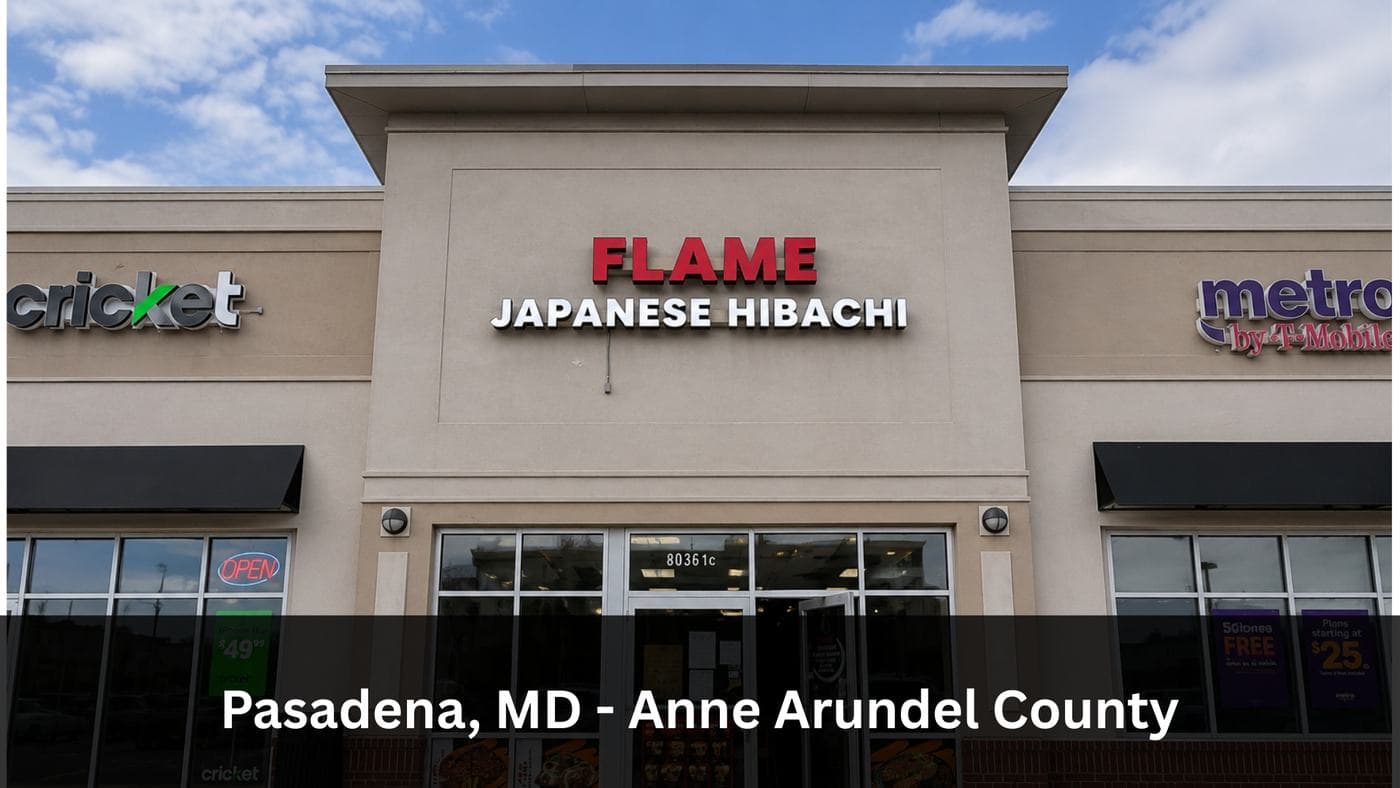
We are at 8036 Ritchie Hwy, Suite 1-C, on the main Ritchie Highway run, minutes from Lake Shore, Riviera Beach and Glen Burnie, and about ten minutes from Severna Park. Everything, including the sushi, comes out of the same fully halal kitchen. No pork is served, stored or cooked on the premises.
Visit us
Six rolls with nothing raw in them, from $7.85. Flame Japanese Hibachi Pasadena, 8036 Ritchie Hwy, Suite 1-C, Pasadena, MD 21122. 443-628-6850.