These two look similar on a menu and behave completely differently once you have ordered them. Both start with the same halal-cooked proteins, and the choice between them is really a choice about timing, portability and how much variety you want in one order. This is a straight comparison, written from our kitchen on Richmond Highway, and it applies to almost any Japanese menu, not just ours.
What a hibachi plate actually is
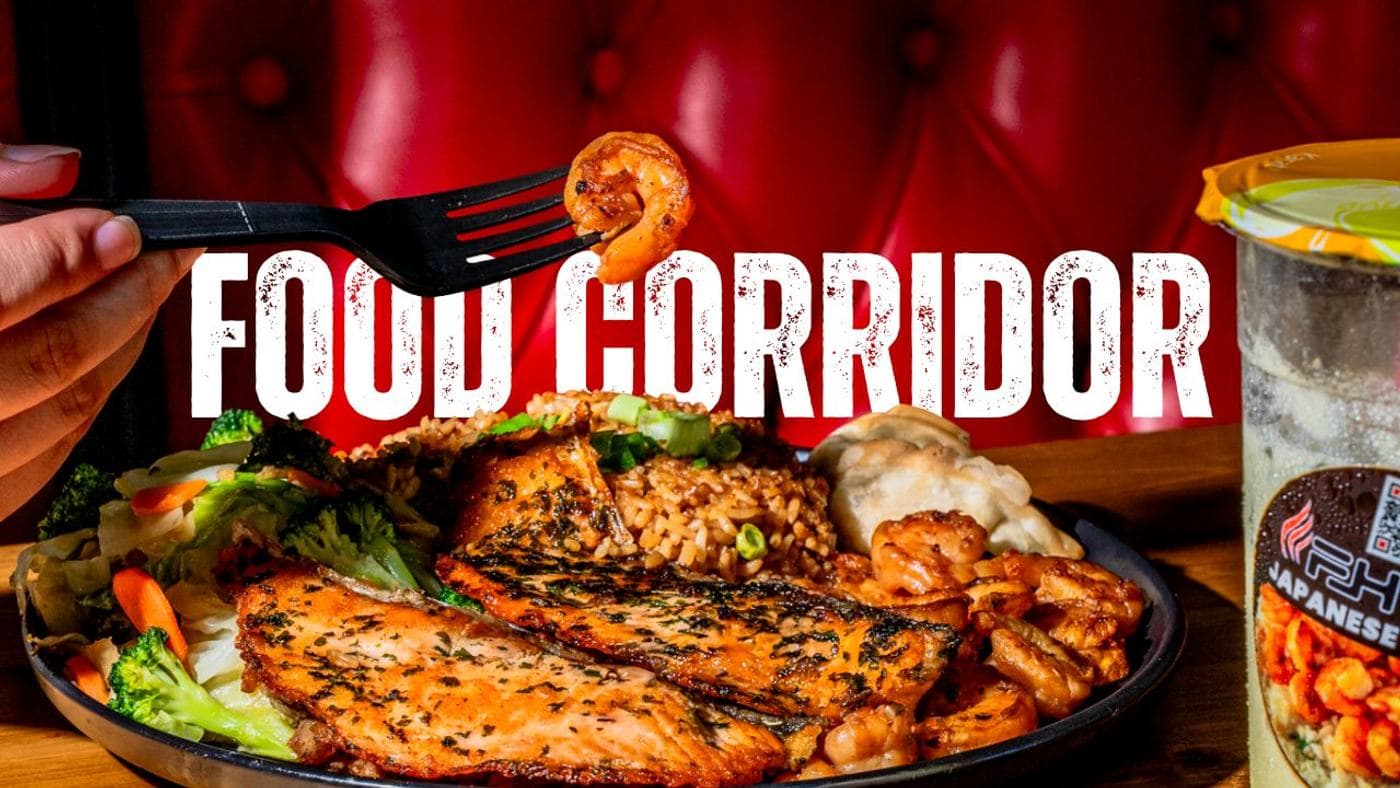
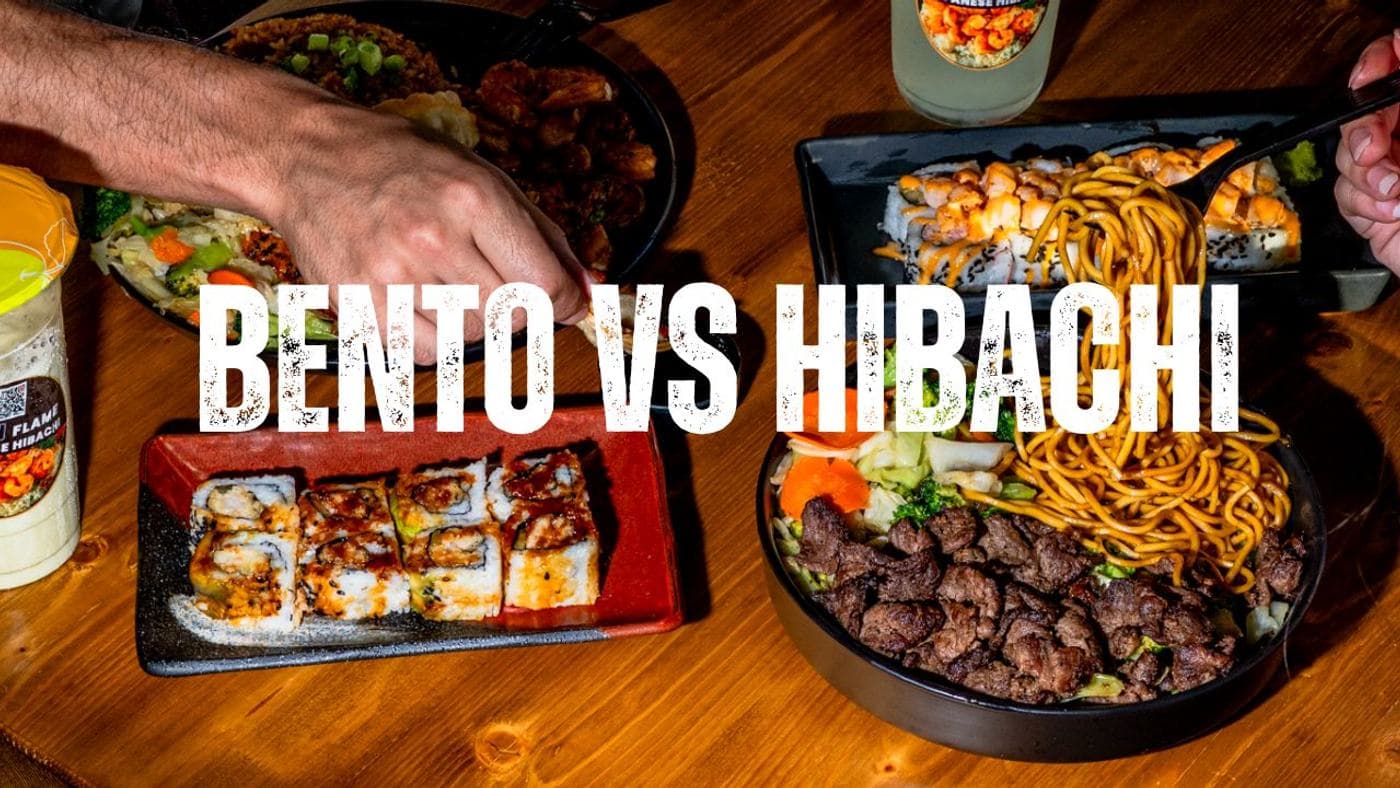
A hibachi plate is one protein, cooked on the flat top, with your choice of any two sides: fried rice, white rice, lo mein noodles or vegetables. It is an open plate, meant to be eaten immediately while hot, and it is the simplest, fastest thing on the menu.
Pricing runs from $9.85 for chicken or tofu, $10.85 for beef or shrimp, up to $11.85 for salmon, our best-selling item. Combos with two or three proteins run $11.85 to $14.85.
What a bento box actually is
A bento is a sealed box containing several separate components rather than one dish. Ours holds hibachi, vegetables, rice or noodles, a four-piece California Roll, two dumplings and two spring rolls, all in one container with compartments keeping everything apart.
Chicken and Tofu Bento run $12.85, and two-protein bentos run $13.85 to $14.85, with the three-protein version at $15.85.
The bento costs more than the equivalent hibachi plate, and it is not simply a bigger portion. It is a different format built around variety and travel rather than speed.
The decision that actually matters
Eating right now, at a table. The hibachi plate wins. It is hot, it is simple, and an open plate is at its best in the first few minutes.
Eating somewhere else, or later. The bento wins clearly. The compartments keep the sauce, the rice and the sushi from touching or sliding, and the sealed lid holds heat far longer than an open plate does. If you are commuting, at a desk, or eating in a car, this is the format built for that.
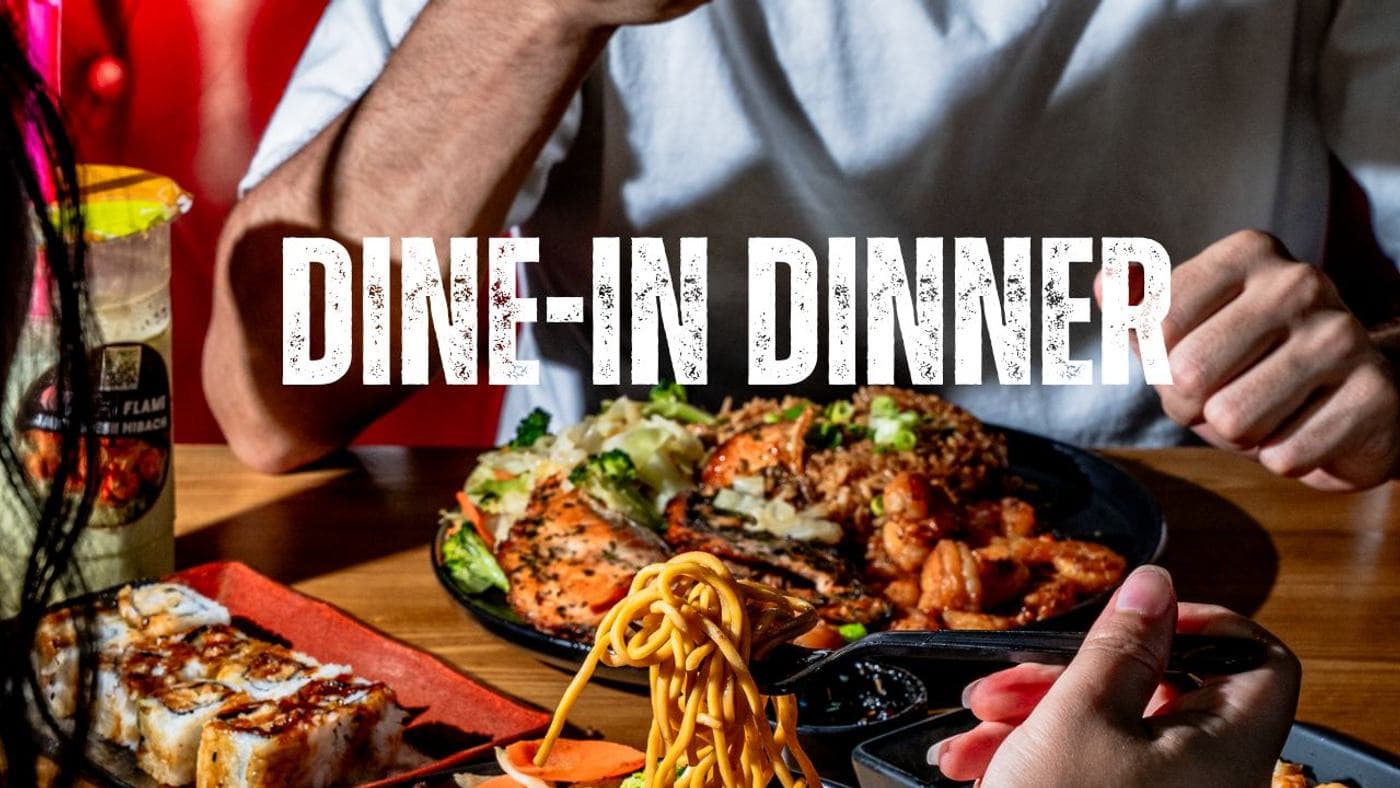
Wanting variety in one order. The bento, without question. One box contains a hot protein, a starch, a vegetable, sushi and dumplings, which would otherwise mean ordering three or four separate items.
Budget. The hibachi plate. Dollar for dollar it is the better value if all you want is a protein and two sides.
Feeding someone who cannot decide. The bento, because it makes the decision for them by including a bit of almost everything on the menu in one container.
A practical middle ground
If you want the price of a plate with slightly more portability, order a hibachi plate and add a side sushi roll separately, starting at $7.85 for a California Roll. It costs less than stepping up to a full bento and gives you one item that survives a delay if your timing changes.
Both come from the same halal kitchen
Whichever format you choose, everything comes from the same fully halal menu, with no pork served, stored or cooked anywhere on the premises, and sauces made in house rather than bought from a distributor.
Ordering on Richmond Highway
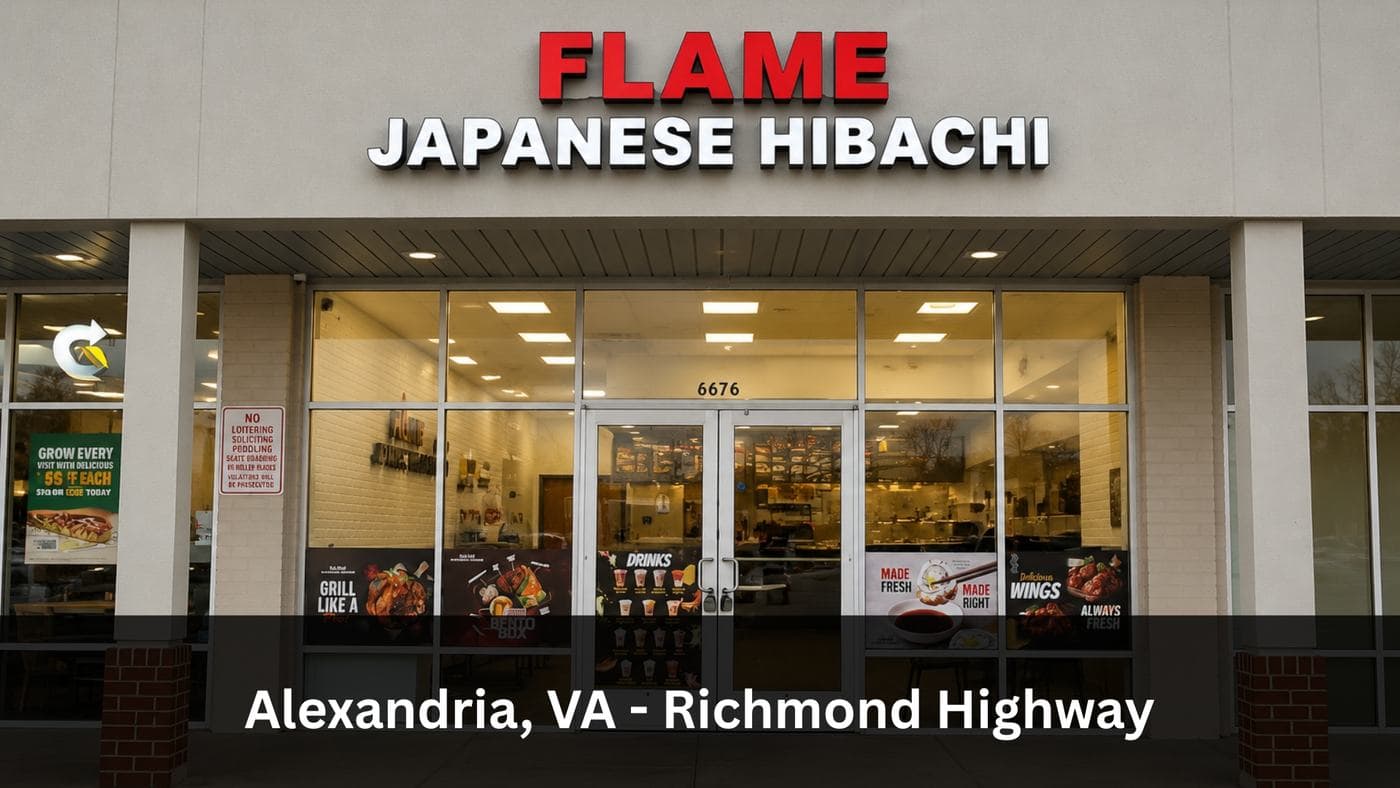
We are at 6676 Richmond Hwy, Alexandria, VA 22306, serving Hybla Valley, Penn Daw, Groveton, Beacon Hill and the wider Richmond Highway corridor.
Visit us
Flame Japanese Hibachi Alexandria, 6676 Richmond Hwy, Alexandria, VA 22306. 571-683-3199.