Philadelphia has one of the most visible halal cart cultures of any American city, and for a long time that was the association most people made with halal food here: a cart, a foil-wrapped platter, chicken and rice with white and hot sauce. That picture has expanded considerably, and this is a look at what the city's halal dining actually looks like now, and where hibachi and sushi fit into a scene that has historically been about carts and grills rather than a Japanese kitchen.
The cart culture, and why it matters
Philadelphia's halal cart scene is genuinely significant, a recognizable part of the city's food identity built by immigrant entrepreneurs over decades, serving fast, affordable, reliably halal food across the city. It deserves the reputation it has. It is also not the whole picture anymore, and treating it as the ceiling of what halal dining in Philadelphia offers undersells how much the scene has grown.
What has expanded
Halal dining in Philadelphia now spans a genuinely wide range of formats and cuisines beyond the cart: sit-down restaurants, bakeries, specific ethnic cuisines with halal as standard rather than an accommodation, and formats that did not have much halal representation a decade ago. Japanese food specifically, hibachi and sushi in particular, has been one of the later additions to that expansion, both in Philadelphia broadly and in North Philadelphia specifically.
Why Japanese food has lagged
Halal certification and practice in Japanese cuisine carries specific complications that do not apply the same way to other cuisines. Traditional teriyaki, eel sauce and some sushi rice preparations commonly include mirin or cooking sake, both alcohol, which means a kitchen cannot simply avoid pork and call the menu halal. It requires rebuilding specific recipes from the ground up, which is a real barrier to entry that has kept halal Japanese food rarer than halal options in cuisines without that specific complication.
What our kitchen does about it
The entire menu here is halal, with no pork served, stored or cooked anywhere on the premises. Our sauces, including teriyaki, are made in house rather than bought from a distributor, specifically so we can control for mirin and cooking sake rather than trusting a label. That is the barrier most halal Japanese kitchens have to clear, and it is the reason this category has taken longer to develop than others.
What is on the menu, for anyone new to halal Japanese food
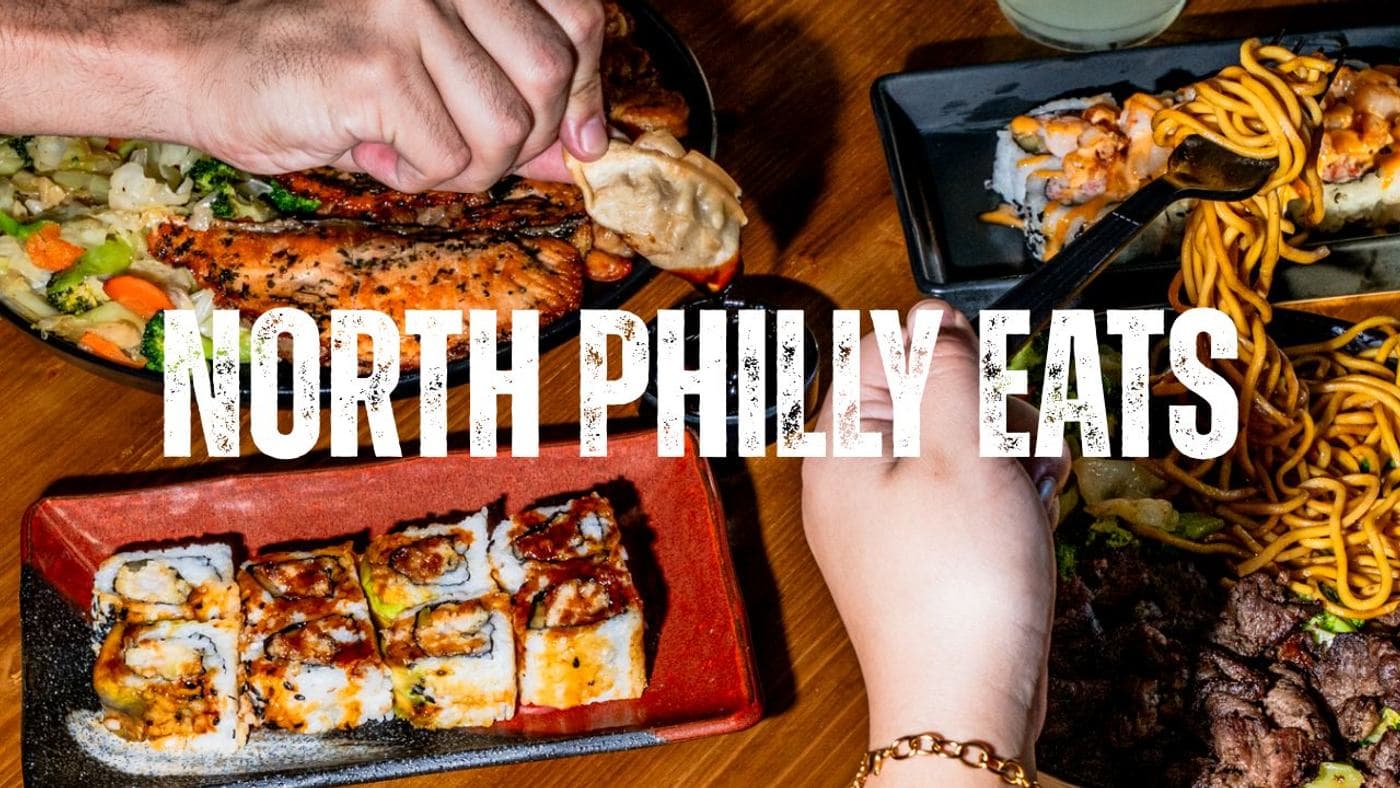
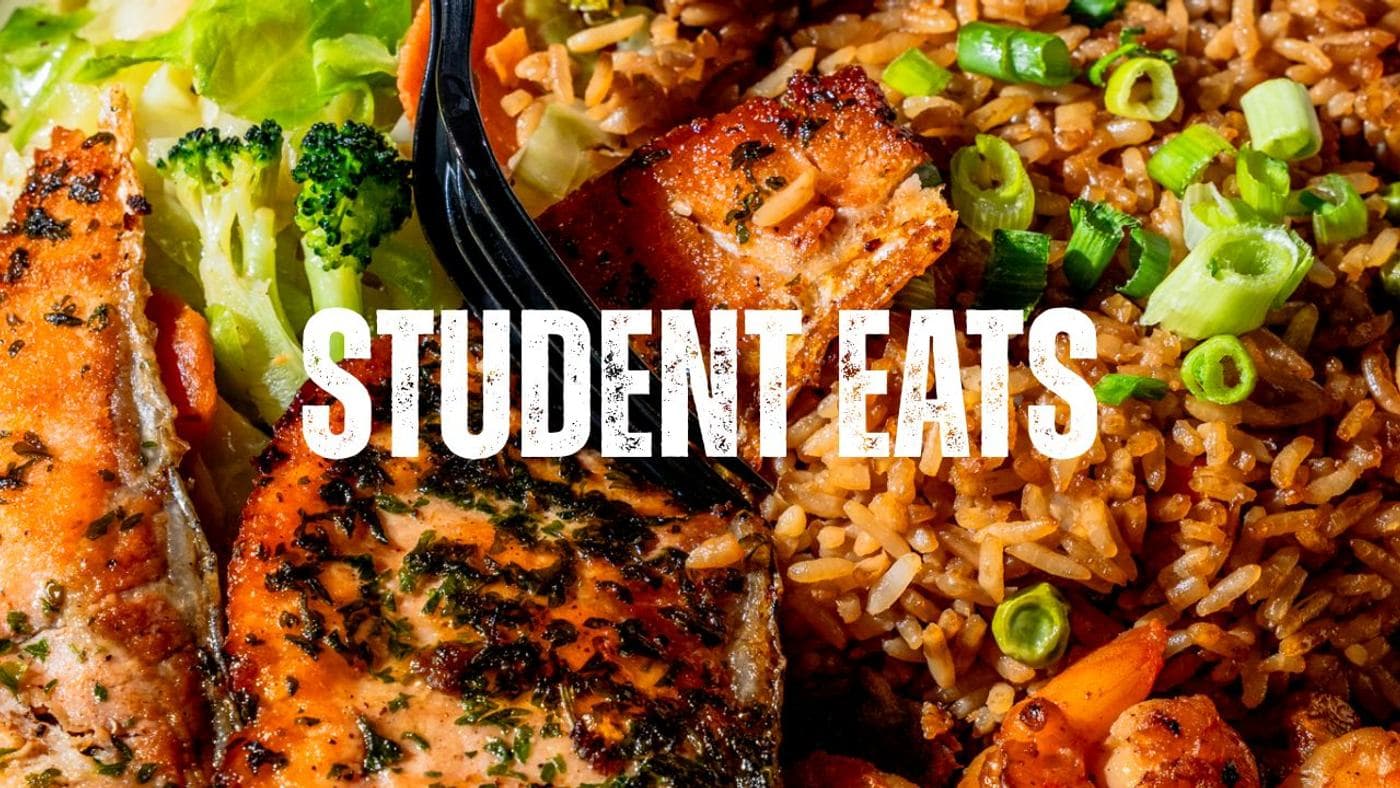
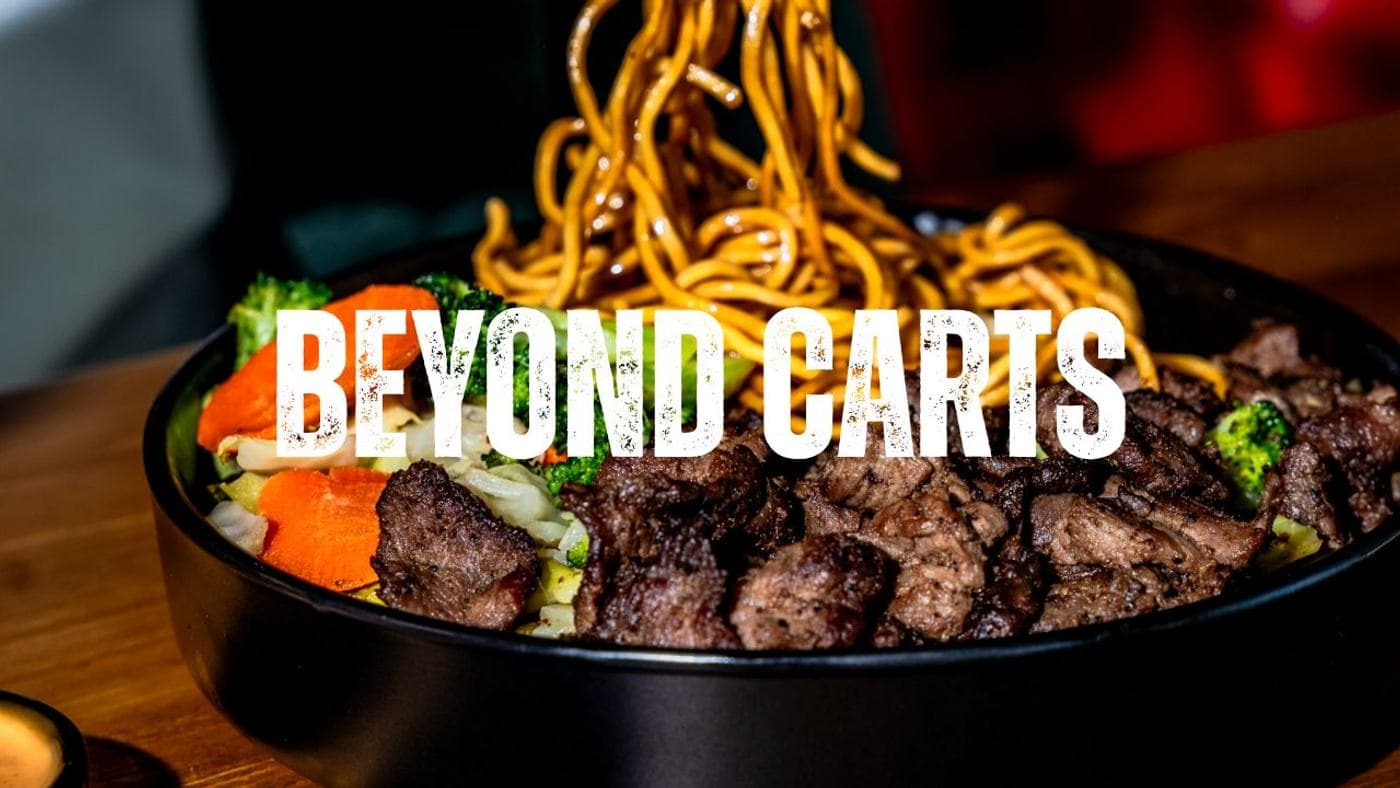
Hibachi plates from $9.85, combos with two or three proteins, bento boxes that add sushi and dumplings to a hot plate, and sushi rolls including several with no raw fish at all, like the California Roll and Hibachi Chicken Roll at $7.85 each. For anyone whose main experience of halal food in Philadelphia has been the cart, this is a genuinely different format worth trying, not a replacement for it.
At our North Philadelphia location
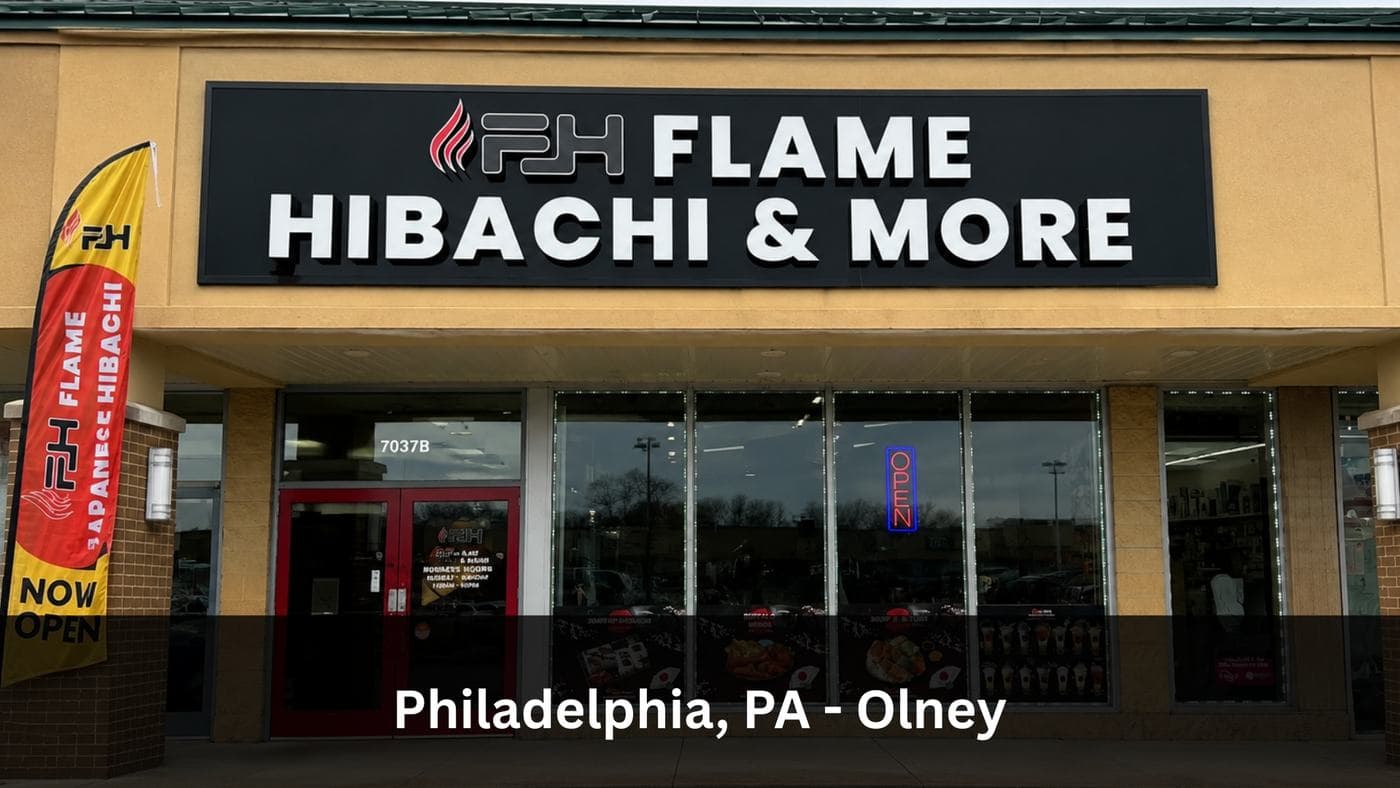
We are at 101 E Olney Avenue, Philadelphia, PA 19120, in North Philadelphia.
Halal dining questions
Visit us
Flame Japanese Hibachi Philadelphia, 101 E Olney Avenue, Philadelphia, PA 19120. 215-344-6444.