Hospital food is its own category of problem. The break is short, it starts at an hour when normal restaurants are between services, and the options within walking distance narrow down to a cafeteria and a vending machine fairly quickly. This is a practical guide for anyone working at Sinai, written from West Northern Parkway, and it is mostly about timing and reheating rather than about menus. Half of it applies wherever you end up eating.
The real constraint is not distance, it is the clock
A thirty-minute break spent driving is not a break. The math that matters is: how long from leaving the building to having food in your hand. Ordering ahead is what collapses that number. Everything at our kitchen is cooked when the ticket comes in rather than held under a lamp, which means a walk-in at a busy hour will wait and a pre-order will not. Place the order twenty minutes before your break starts and the stop is a genuine two minutes.
The second thing that helps is ordering at an odd hour deliberately. Between two and four in the afternoon is the quietest stretch of our day. If your break is flexible by even twenty minutes, moving it into that window changes the experience completely.
What actually reheats, and what does not
Reheats well. Fried rice, lo mein noodles and hibachi proteins all come back close to their original state in a microwave, because they were cooked hot and fast to begin with. Beef and chicken hold better than shrimp.
Reheats badly. Anything fried and coated. Wings, tenders and loaded fries go soft and stay soft. Eat those fresh or do not order them for later.
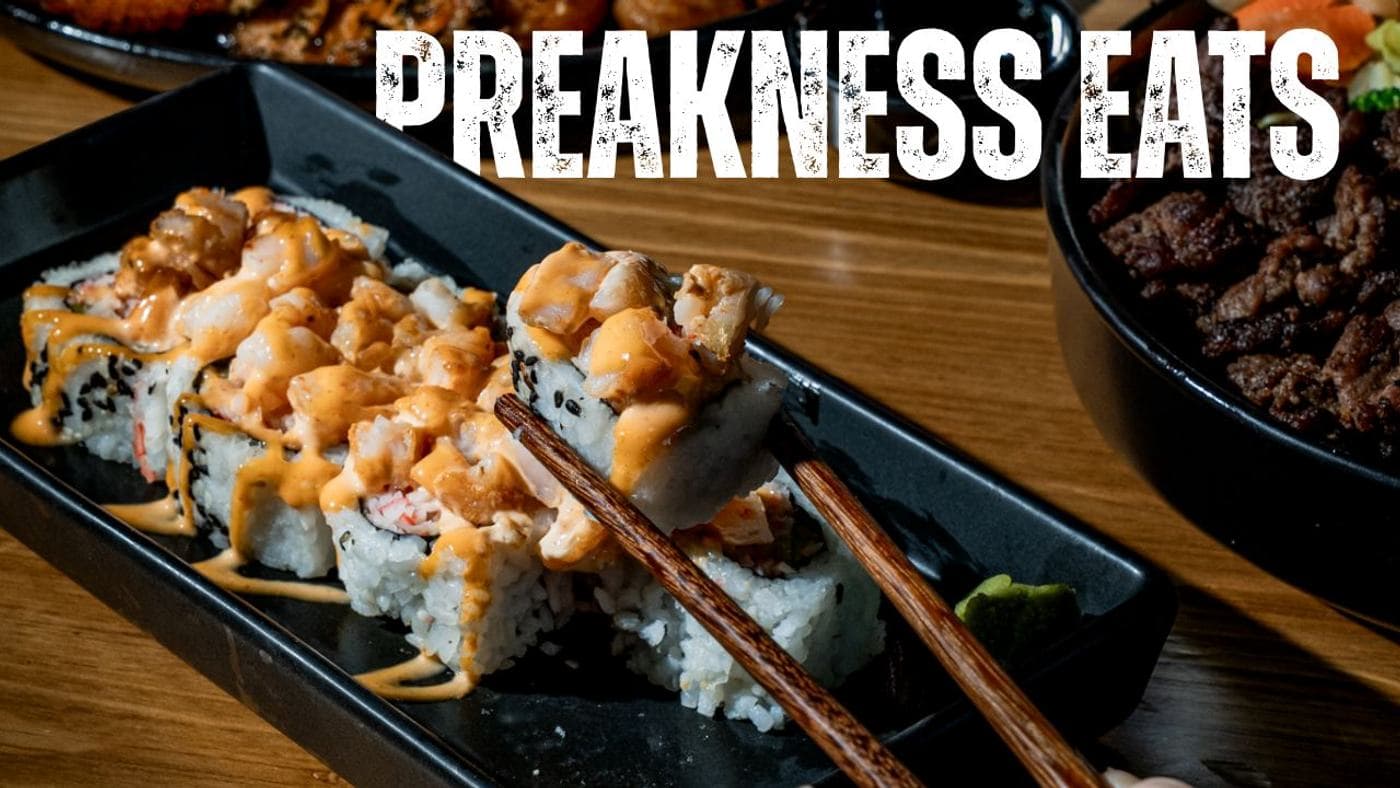
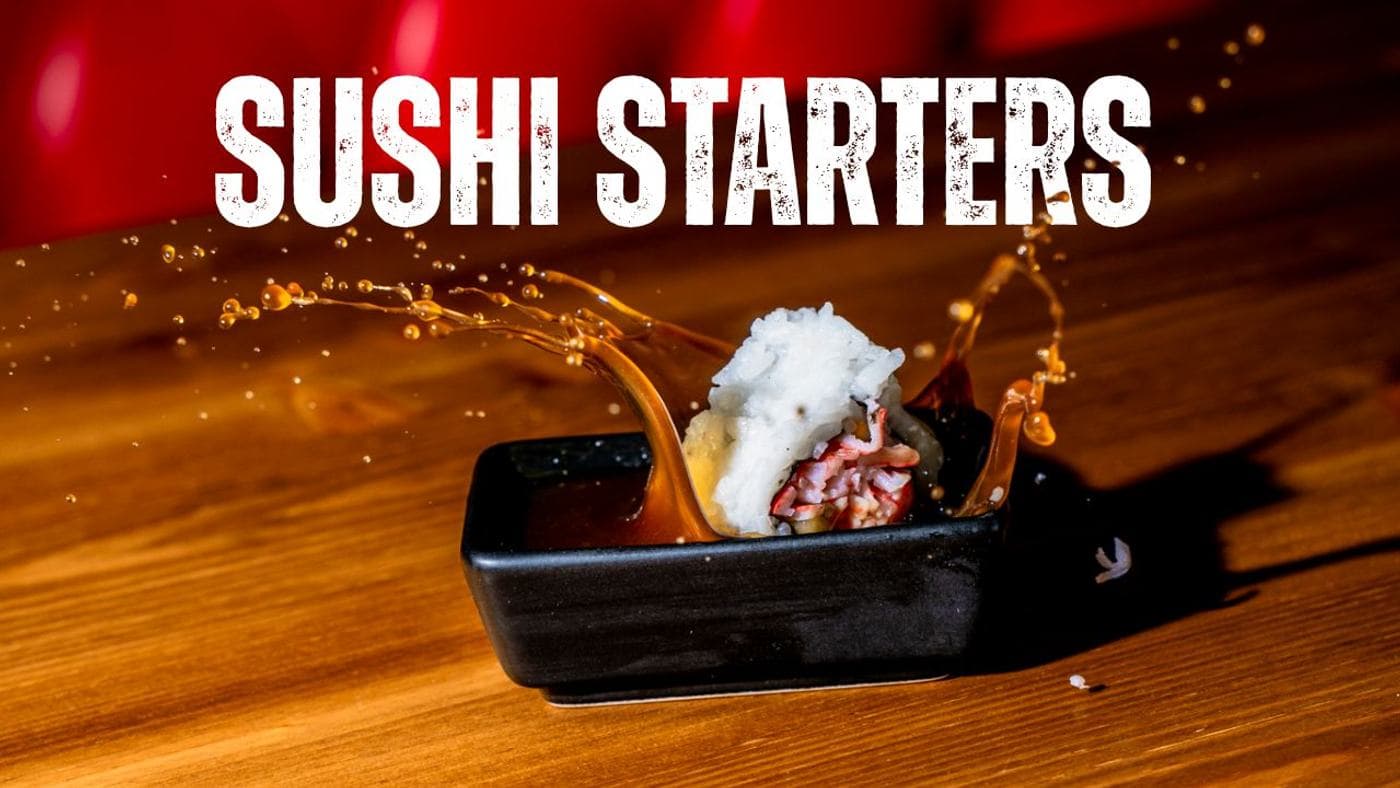
Do not reheat. Sushi. It is meant to be eaten cold or at room temperature, and it is the best thing on the menu for a break several hours after you bought it.
That combination is the reason the bento box is the single most sensible order for a hospital shift. It contains a hot component that reheats, a cold component that does not need to, and it is a sealed box that fits in a bag and survives a locker.
What to order by how much time you have
Ten minutes or less. Order ahead and collect. Chicken Hibachi at $9.85 or a Chicken Bento at $12.85. Both are complete meals in a container.
Twenty to thirty minutes. Enough to sit down. A hibachi plate with two sides eats better hot at a table than it does anywhere else.
A night shift, eating at 2AM. Buy before your shift and plan to reheat. Fried rice and a hibachi protein, or a bento. Avoid anything fried.
Feeding a whole unit. Wings in twenty, thirty or fifty piece counts, split across two or three flavors. Break rooms handle wings better than plates because people eat in shifts.
The dietary question, since hospitals are mixed workplaces
The whole menu here is halal. There is no pork served, stored or cooked anywhere in the building, and our sauces are made in house rather than bought in, which is why we can answer ingredient questions properly rather than guessing. Practically, that means a single order can feed a mixed break room without anyone having to opt out or check labels. Vegetarian is covered by Tofu Hibachi at $9.85, Tofu Bento at $12.85 and the avocado rolls at $7.85. That is usually the reason group orders from the hospital come here rather than somewhere with a longer menu.
Finding us from Sinai
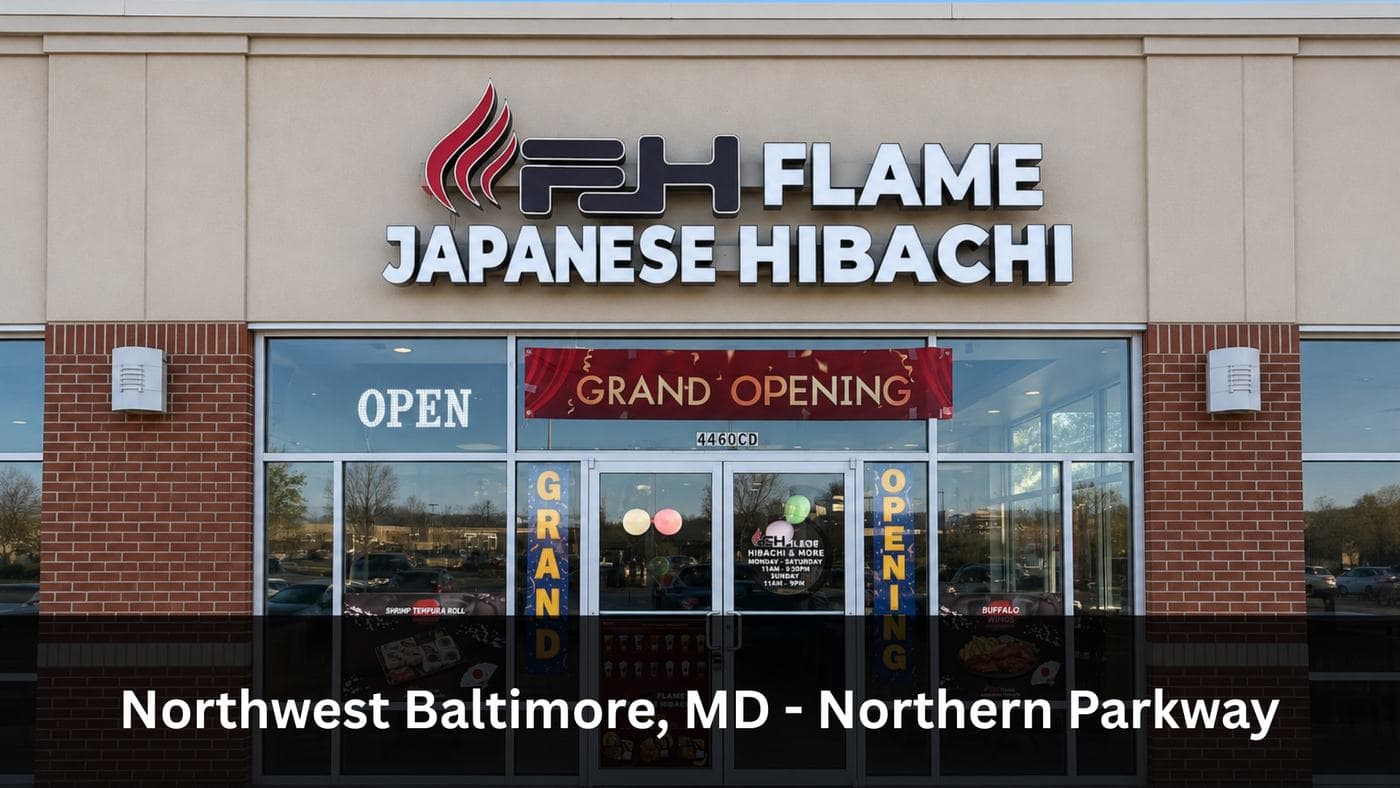
We are at 4460 W Northern Parkway, a short drive from the hospital on the western run of Northern Parkway. Mount Washington, Cross Country, Fallstaff and Cheswolde are all close, and Pikesville is about ten minutes out Reisterstown Road.
Visit us
Hot food, ordered ahead, minutes from the hospital. Flame Japanese Hibachi Northern Parkway, 4460 W Northern Parkway, Baltimore, MD 21215. 410-801-8279.